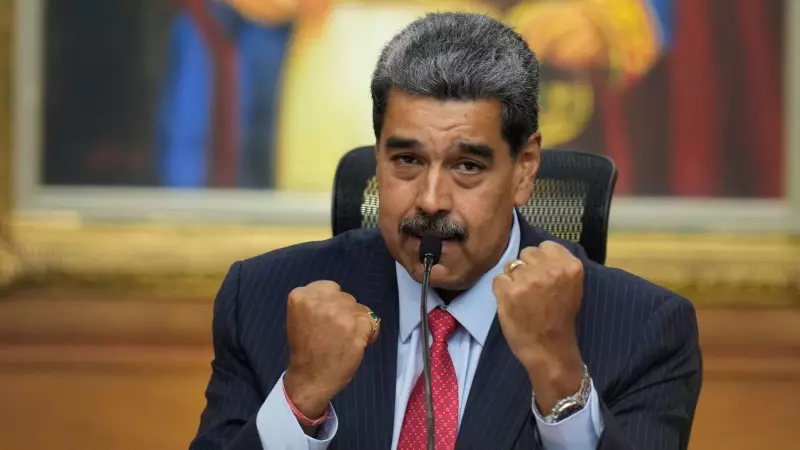
In a dramatic escalation of tensions, the United States launched a large-scale military strike on Venezuela in the early hours of Saturday, January 3, 2026. US President Donald Trump announced that Venezuelan President Nicolás Maduro had been captured and flown out of the country, marking a sharp turn in Washington's months-long pressure campaign against the South American nation.
Explosions and Aircraft Over Caracas
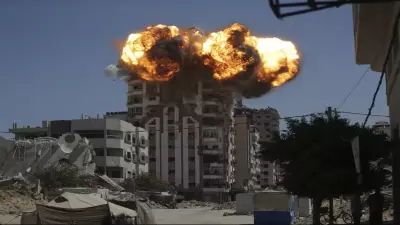
The operation began with reports of explosions and low-flying aircraft over the Venezuelan capital, Caracas. Witnesses described at least seven blasts starting around 2:00 AM local time (0600 GMT), with the events lasting roughly 90 minutes. Black smoke was seen rising from parts of the city, including from the hangar of a military base. Another military installation reportedly lost power, and sections of Caracas experienced electricity outages hours later.
Carmen Hidalgo, a 21-year-old office worker, described the terrifying experience: "The whole ground shook. This is horrible. We heard explosions and planes. We felt like the air was hitting us." Verified videos showed tracer fire and smoke clouding the night sky, with repeated explosions illuminating surrounding hills.

Trump's Announcement and Venezuelan Response
President Donald Trump announced the operation on his Truth Social platform shortly after 4:30 AM ET. He stated, "Maduro has been, along with his wife, captured and flown out of the Country. This operation was done in conjunction with US Law Enforcement. Details to follow." He declared the strikes successful and promised a news conference later in the day.
The Venezuelan government immediately condemned the action, calling it an "imperialist attack" and accusing the US of targeting civilian and military installations. They urged supporters to take to the streets. The government declared a "state of external disturbance," granting authorities expanded emergency powers and a greater role for the armed forces. Maduro's exact whereabouts remained unconfirmed beyond Trump's claim, and it was unclear who was in charge in Caracas.
Background and Escalating Tensions
This attack follows nearly five months of escalating pressure from the Trump administration on Maduro, who faces US charges of narco-terrorism. Since August 2025, Washington ordered a major military buildup off Venezuela's coast, including an aircraft carrier, warships, and advanced fighter jets.
Since early September, the US military has been attacking boats in the Caribbean and eastern Pacific allegedly carrying drugs, with figures showing 35 boat strikes and at least 115 people killed as of Friday. Trump has framed these actions as necessary to stem drug flow into the US, stating Washington is in an "armed conflict" with cartels. Last week marked the first known US land operation on Venezuelan soil during this campaign.
Alongside military moves, the US expanded sanctions, seized oil tankers, and sought what Trump called a "blockade" of Venezuelan oil to cripple the economy. Trump had repeatedly threatened land strikes and privately urged Maduro to leave the country.
International Reaction and Legal Questions
The strike drew swift international reactions. Colombia's President Gustavo Petro called for an emergency UN Security Council meeting, claiming Caracas was being bombed. Iran condemned the strikes, while Cuba, a close Maduro ally, criticized the attack. Venezuela accused the US of attempting to seize the country's vast oil and mineral resources.
In the United States, the action raised immediate legal and constitutional questions. Senator Mike Lee, a Republican from Utah, questioned the legal basis for the strike in the absence of a formal declaration of war or specific authorization for the use of military force.
Uncertain Future and Key Questions
The events of January 3 represent the most severe escalation yet in the US campaign against Venezuela's leadership. Major uncertainties persist: the confirmation of Maduro's capture and custody, the scale of damage and casualties in Venezuela, who is exercising authority in Caracas, and whether further military action is planned.

These developments come just a day after Venezuela expressed openness to negotiating a drug-trafficking agreement with the US. The strike is likely to fundamentally reshape Venezuela's internal politics, regional stability in Latin America, and US relations across the hemisphere.