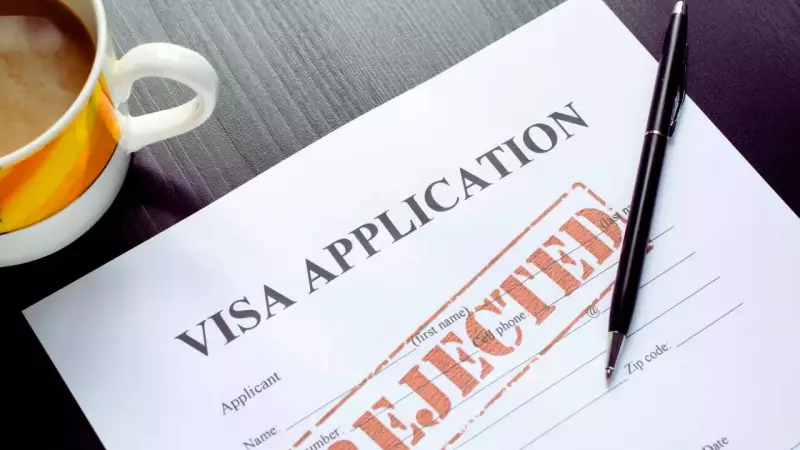
Understanding US B-2 Visa Rejections: Key Factors That Lead to Denials
The United States B-2 visa allows foreign nationals to visit America for tourism, leisure, or medical treatment. However, obtaining this visa proves challenging for many applicants. Each year, numerous B-2 visa applications face rejection, often under Section 214(b) of the US Immigration and Nationality Act. This section presumes all applicants intend to immigrate permanently unless they demonstrate otherwise. Rejections typically stem from issues beyond mere paperwork, focusing instead on applicant intent, credibility, and overall eligibility.
Failure to Demonstrate Strong Ties to Home Country
The most frequent reason for B-2 visa denial involves an applicant's inability to convince the visa officer they will return home after their US visit. Strong ties to one's home country can include stable employment, business ownership, property, family relationships, or ongoing education. When an applicant appears to lack substantial professional or personal connections, or fails to clearly explain their motivation to return, visa officers may suspect intentions to remain in America. This suspicion often leads to refusal under Section 214(b).
Unclear or Unconvincing Travel Purpose
Visa applications must avoid generic statements about travel plans. Applicants need to specify their visitation purpose, detailed itinerary, and intended stay duration. Vague plans like "touring the US" can raise doubts about genuine tourist intentions. Visa officials evaluate whether the stated purpose aligns with short-term tourism. Providing concrete, well-defined travel arrangements significantly strengthens an application.

Inadequate Financial Proof
Applicants must show sufficient funds to cover all travel, accommodation, and living expenses without resorting to illegal work in the US. Bank statements with irregular large deposits, questionable income sources, or consistently low balances can harm an application. While no fixed minimum balance exists, visa officers look for financial stability and consistency. They prefer evidence of steady financial health rather than one-time proof of funds.
Previous Visa Violations or Immigration History
Any history of visa overstays, unauthorized employment, or prior refusals in the US or other countries can severely impact a B-2 application. Even minor infractions may raise concerns about compliance with US immigration laws. Incomplete or dishonest disclosure of travel and visa history undermines credibility, as visa officials access immigration records and demand full transparency.
Inconsistent or Misleading Information
Discrepancies in the DS-160 form, supporting documents, or interview responses can lead to visa rejection. Inconsistent answers about work, income, travel plans, or relationships may suggest misrepresentation. Unintentional inaccuracies might still imply a lack of integrity, given the brief nature of visa interviews where clarity and honesty are paramount.
What is the DS-160 Form?
The DS-160 is an online non-immigrant visa application form required for all US temporary visas, including tourism (B-2), business (B-1), student (F-1), and work visas. This fully electronic form submits through the Consular Electronic Application Center, managed by the US Department of State. It collects comprehensive personal, travel, work, educational, and security information, sometimes including social media account details.