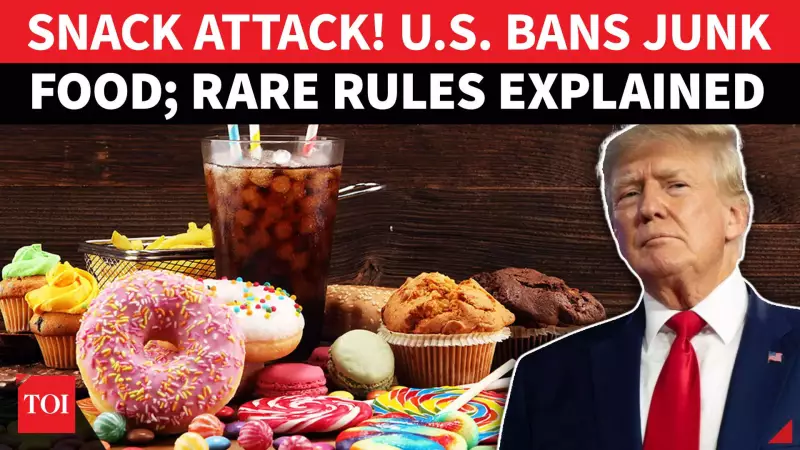
In a major policy shift aimed at improving public health, the United States is set to impose significant restrictions on the purchase of unhealthy food items using federal nutrition aid. Starting January 2026, beneficiaries of the Supplemental Nutrition Assistance Program (SNAP) will be barred from buying items like candy, soda, and certain processed foods with their benefits.
The 'Make America Healthy Again' Initiative
The move is part of the broader 'Make America Healthy Again' initiative, which has granted rare federal waivers to 18 states. These waivers allow the states to implement the junk food curbs within their SNAP frameworks. The US Department of Agriculture (USDA) has hailed this step as a historic reset for America's largest nutrition assistance program, which serves millions of low-income individuals and families.
However, this overhaul comes with increased operational responsibilities for the participating states. They will have to pay more to administer the SNAP program and will also face financial penalties for any errors in payment processing. This has raised concerns about the added fiscal pressure on state budgets.

Criticism and Potential Impact
While the goal is to encourage healthier eating habits and combat obesity, the policy has drawn criticism from various quarters. Critics argue that the new rules could create confusion among both retailers and beneficiaries. There are also warnings about the disproportionate impact on low-income families, who rely heavily on SNAP benefits for their nutritional needs.
Opponents of the ban question whether restricting choice is the most effective way to promote health, suggesting it might stigmatize aid recipients without addressing root causes like food accessibility and education. The coming months will see states scrambling to update systems and educate the public before the rules take effect in 2026.
A Watershed Moment for Nutrition Policy
This decision marks a watershed moment in US food and welfare policy. It represents a direct intervention in consumer choice with the explicit aim of improving national fitness levels. The success or failure of this experiment in 18 states will likely influence future nutrition programs and public health strategies across the country. All eyes will be on the implementation and real-world consequences for America's most vulnerable populations.