US Embassy in Kuwait Closed After Iranian Retaliatory Strikes
The US State Department announced the closure of the US Embassy in Kuwait on Thursday, as retaliatory Iranian strikes directly impact Gulf capitals, marking a significant escalation in the ongoing Middle East conflict. This move comes amid a series of attacks that have heightened tensions across the region.
Escalating Attacks and Casualties in Kuwait
Iran has launched multiple waves of missiles and drones at Kuwait since the war began, resulting in severe consequences. On Sunday, an Iranian drone strike killed six American soldiers in Kuwait, according to officials. Additionally, one person has been killed and dozens injured in the country since the escalation started.
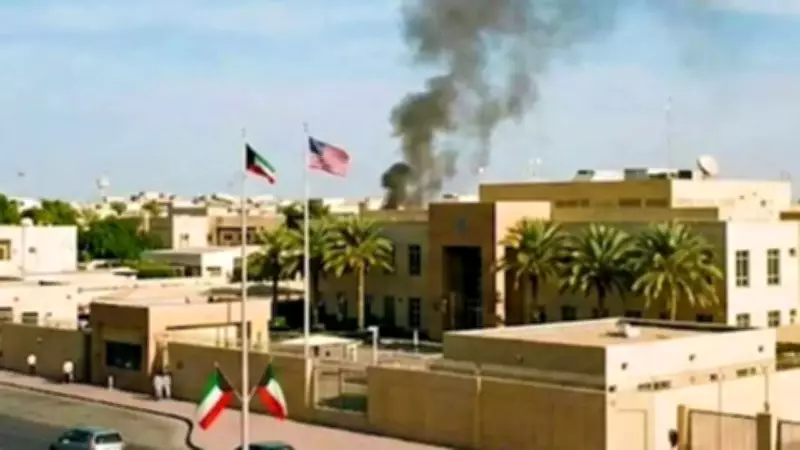
Black smoke was observed near the US Embassy in Kuwait City following fresh Iranian attacks, with sirens sounding as drones were intercepted at dawn. Authorities have warned of continuing threats from missiles and unmanned aerial vehicles (UAVs).

Damage to US Diplomatic Mission
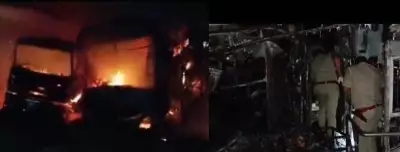
Earlier this week, the US embassy compound itself was reportedly hit by drones. Three diplomatic sources informed AFP that the mission sustained damage during the attack. A Kuwait-based diplomat and a Western diplomat, speaking anonymously, confirmed that several drones caused damage, while a second Kuwait-based diplomat stated the embassy building was struck directly.
An AFP correspondent also reported seeing smoke rising from the diplomatic mission during Iran's third day of retaliatory strikes across the Gulf. In response, the US embassy issued a warning for the public to stay away from the facility, citing ongoing missile and UAV threats.
Regional Impact and Disruptions
The conflict has rapidly spread, affecting multiple Gulf capitals. Explosions were reported in Doha and Bahrain as the regional confrontation intensified. Authorities in several Gulf countries activated air defense systems and closed sections of their airspace to mitigate risks.
Triggered by sweeping US and Israeli strikes on Iran earlier this week, the war has drawn in numerous countries. Iran has targeted American bases and allies across the Middle East in retaliation for attacks on its military infrastructure, leadership, and nuclear facilities.
Wider Consequences and Casualties
The conflict has impacted at least 14 countries across the region and beyond, disrupting oil shipments and severely affecting global air travel routes. Official reports indicate that the war has killed at least 1,230 people in Iran, more than 100 in Lebanon, and around a dozen in Israel, with six US troops also among the fatalities.
Tensions have risen along Israel's northern frontier with Lebanon, where the Israeli military issued evacuation warnings for residents of Beirut's southern suburbs and reported clashes with Hezbollah fighters. United Nations peacekeepers observed ground combat near the border village of Kfar Kila, with airstrikes and explosions reported near Khiyam.
Attacks Across Gulf States
Gulf states have faced missile and drone attacks linked to the escalating conflict:
- In the United Arab Emirates, a drone was shot down near Al Dhafra Air Base, which hosts US forces, injuring six people with falling debris.
- Qatar evacuated residents near the US Embassy in Doha as a precaution and later reported a missile strike on the city.
- Bahrain stated an Iranian missile struck a state-run oil refinery, sparking a fire that was extinguished, with no casualties reported and the facility remaining operational.
Global Economic and Shipping Disruptions
The intensifying conflict has adversely affected global energy markets and shipping routes. Attacks on vessels in the Gulf of Oman and the Strait of Hormuz have pushed oil prices higher and disrupted maritime traffic through one of the world's most critical energy corridors, highlighting the far-reaching implications of the war.