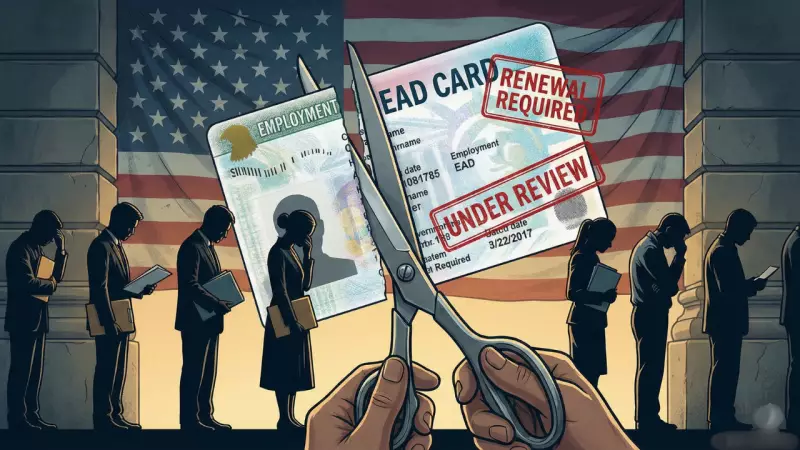
In a significant tightening of America's immigration framework, the Trump administration has drastically reduced the validity period of work permits for several categories of foreign nationals, including refugees, asylees, and those awaiting green cards. This move is set to create substantial hurdles for thousands of Indian professionals caught in the employment-based green card backlog.
New USCIS Policy: Frequent Vetting and Shorter Permits
The United States Citizenship and Immigration Services (USCIS) recently announced the new policy, which cuts the maximum validity of an Employment Authorization Document (EAD) from five years down to just 18 months for multiple applicant categories. The agency, led by Director Joseph Edlow, stated that the step is aimed at enabling more frequent security vetting.
USCIS argues that shorter validity periods will allow officials to screen applicants more often, thereby helping to deter fraud and identify foreign nationals with potentially harmful intent for removal proceedings. Edlow linked the policy shift to security concerns, specifically referencing the attack on National Guard service members in the nation's capital by a foreign national admitted under a previous administration.

In a related development, USCIS also announced the establishment of a new specialized unit, headquartered in Atlanta, focused on screening out terrorists, criminal aliens, and other foreign nationals deemed threats to public safety.
Severe Impact on Indian Diaspora and H-1B Holders
Immigration attorneys warn that the policy change will trigger widespread disruption, particularly for Indian professionals in the US. A massive backlog in employment-based green cards means thousands of Indians rely on renewable EADs to continue working legally while their 'adjustment of status' applications are pending.
Kripa Upadhyay, an immigration attorney with the law firm Buchalter, outlined the primary impact for the Indian community. The groups most affected include investors in the EB-5 program, spouses or parents of US citizens seeking adjustment, and employees with approved I-140 petitions waiting for a visa number to become available.
For H-1B visa holders transitioning to a green card, the change creates a precarious situation. Upadhyay explained that individuals will now need to file for renewals several months in advance to avoid a lapse in work authorization. "One cannot work without valid work authorization, so the risk of falling out of lawful employment becomes very real," she said.
Compounding Delays and Rising Costs
The problem is intensified by processing timelines. While renewal applications can typically be filed only 180 days before the current EAD expires, the processing time for these renewals often exceeds that window. This mismatch raises the real possibility of individuals losing their legal work status and their jobs through no fault of their own.
The ripple effects extend to American employers as well. Delays in renewing EADs for key employees can disrupt critical projects and increase compliance costs for sponsoring companies. The policy, therefore, introduces new layers of uncertainty and administrative burden into the US immigration system for both foreign workers and their employers.
This move represents another chapter in the administration's broader efforts to restrict immigration, placing additional pressure on high-skilled immigrant communities, with Indians poised to feel the most significant impact due to their large numbers in the employment green card queue.