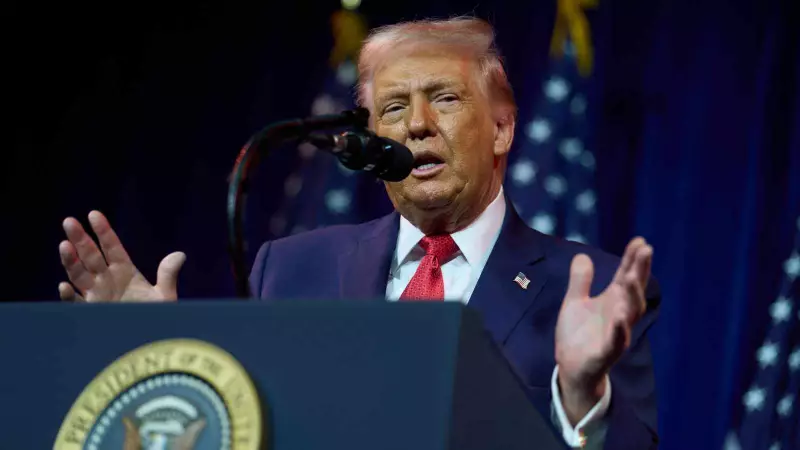
In a sweeping move that marks a significant shift in American foreign policy, President Donald Trump has formally initiated the United States' exit from 66 international organisations. The White House announced on Wednesday, January 8, 2026, that Trump signed a proclamation withdrawing from entities it claims operate "contrary to the country's national interests."
The proclamation targets a broad spectrum of global bodies, including 35 non-United Nations groups and 31 entities within the UN system. According to an official statement, the administration believes these organisations promote agendas that undermine U.S. sovereignty and economic strength, specifically naming "radical climate policies, global governance, and ideological programs" as key points of contention.
Breaking Down the Exit List: Climate, Governance in Focus
The extensive list reveals a clear pattern, with numerous environmental and climate-focused bodies being cut loose. High-profile exits include the Intergovernmental Panel on Climate Change (IPCC), the International Renewable Energy Agency (IRENA), and the UN's Framework Convention on Climate Change. This aligns with the Trump administration's longstanding scepticism towards multinational climate agreements.

Beyond environmental groups, the withdrawal spans organisations dealing with migration, justice, trade, and cultural affairs. Notable names on the chopping block include the International Solar Alliance, the International Institute for Democracy and Electoral Assistance, and the UN's Entity for Gender Equality and the Empowerment of Women (UN Women). The administration has previously criticised several of these for advancing what it terms "woke" initiatives and policies catering to diversity over national interest.
A Strategic Pullback or Diplomatic Isolation?
This mass exit represents the culmination of President Trump's "America First" doctrine, prioritising unilateral action over multilateral cooperation. The White House frames the decision as a necessary step to reclaim autonomy and resist global governance structures it views as burdensome.
However, foreign policy experts warn of potential consequences. Pulling out of 66 organisations could diminish U.S. influence on critical global issues like counter-terrorism, maritime security, and international trade rules. It also signals a retreat from leadership roles the U.S. has historically held in forums such as the UN Conference on Trade and Development (UNCTAD) and various UN economic commissions.
The full list of organisations is comprehensive, covering bodies from the Colombo Plan Council to the Venice Commission of the Council of Europe. The non-UN list also includes the Freedom Online Coalition and the Global Counterterrorism Forum, while the UN list features entities like the Peacebuilding Commission and the International Law Commission.
This decisive action, taken during a meeting with House Republican lawmakers, sets a new precedent for U.S. engagement with the world. It remains to be seen how this large-scale withdrawal will impact global diplomacy and America's standing on the international stage in the long term.