United States Formally Withdraws from World Health Organization
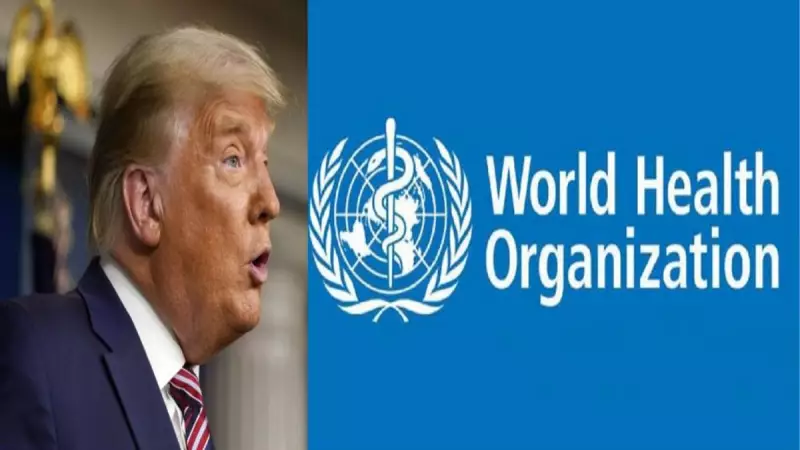
The United States has officially completed its withdrawal from the World Health Organization (WHO), marking a significant shift in global health governance. This move, initiated under the previous administration, has now been finalized, with the American flag ceremoniously removed from the WHO headquarters in Geneva, Switzerland.
Symbolic Removal of the Flag in Geneva
In a symbolic gesture underscoring the exit, the U.S. flag was taken down from the premises of the WHO's main office in Geneva. This action visually represents the end of America's longstanding membership in the international health body, which it helped establish decades ago.
The removal process was conducted quietly but has drawn attention from diplomats and health officials worldwide, highlighting the geopolitical implications of the U.S. departure.

Background and Legal Framework of the Exit
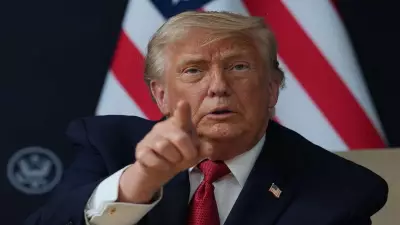
The withdrawal stems from an executive order issued by former President Donald Trump in 2020, citing concerns over the WHO's handling of the COVID-19 pandemic and its relationship with China. Under U.S. law, such a decision requires a one-year notice period, which has now elapsed, making the exit official as of early 2026.
This legal process means that the United States is no longer a member state of the WHO, affecting its voting rights, financial contributions, and collaborative role in global health initiatives.
Implications for Global Health and U.S. Policy
The U.S. exit from the WHO raises several critical issues:
- Financial Impact: The United States was historically the largest donor to the WHO, and its withdrawal could lead to funding gaps for vital health programs worldwide.
- Leadership Void: America's absence may reduce its influence in shaping international health policies, including responses to pandemics and disease outbreaks.
- Rejoining Prospects: Official statements confirm that the U.S. will not rejoin the WHO under the current framework established by the Trump order, with any potential re-entry unlikely before 2026.
Health experts warn that this move could weaken global coordination on public health threats, such as future pandemics or endemic diseases, by fragmenting international efforts.
Reactions and Future Outlook
Reactions to the U.S. withdrawal have been mixed. Some critics argue it undermines global health security, while supporters claim it pressures the WHO to reform. The Biden administration has expressed interest in re-engaging with the organization but faces legal and procedural hurdles due to the existing order.
Looking ahead, the WHO may need to adapt to reduced U.S. involvement, potentially seeking alternative partnerships and funding sources. For the United States, this exit could reshape its role in global health diplomacy, with implications for bilateral and multilateral health agreements.
In summary, the official U.S. exit from the WHO, marked by the flag removal in Geneva, represents a pivotal moment in international relations. It underscores ongoing debates about America's global leadership and the future of collaborative health governance in an interconnected world.