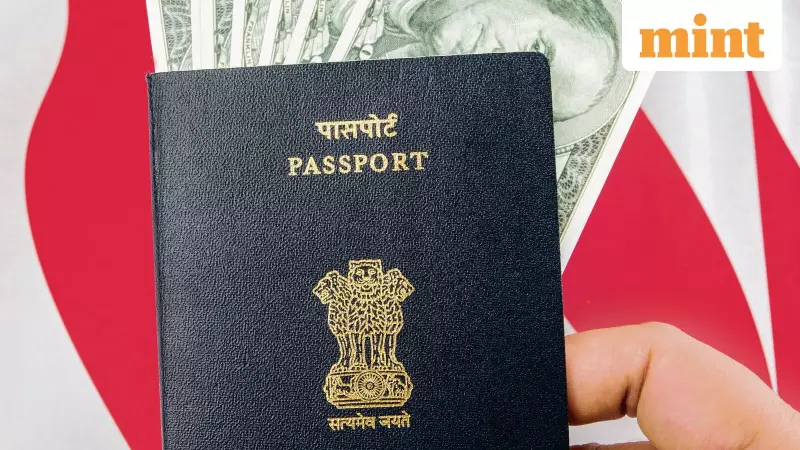
The United States has dramatically expanded its controversial visa bond program, adding 25 more countries to a list that now targets citizens from 38 nations, predominantly in Africa, Asia, and Latin America. This move, initiated by the Trump administration, mandates that travellers from these countries post a financial bond of up to $15,000 to apply for entry into the US, making the process prohibitively expensive for many.
Massive Expansion of the Visa Bond List
In a significant policy shift, the US State Department has nearly tripled the number of countries subject to its visa bond requirement in a matter of days. Just last week, the list grew from 6 to 13 nations. On Tuesday, December 24, an additional 25 countries were added via a notice on the official travel.state.gov website, bringing the total to 38.
The new list includes several countries in India's neighbourhood and the broader Asian region, such as Bangladesh, Bhutan, Nepal, Kyrgyzstan, Tajikistan, and Turkmenistan. A significant number of African nations, including Nigeria, Angola, and Uganda, are also affected, alongside countries from Latin America and the Pacific Islands like Venezuela, Cuba, and Fiji.

What is a US Visa Bond and Who is Affected?
A US visa bond acts as a security deposit or guarantee that certain visa applicants must pay to the government before gaining entry. The bond amounts are substantial, set at $5,000, $10,000, or $15,000, and are determined during the visa interview.
This requirement is compulsory for citizens travelling on a passport from any of the 38 listed countries who are otherwise eligible for a B1 (business) or B2 (tourism) visa. Applicants must agree to the bond terms and pay through the Department of the Treasury's official Pay.gov platform, with authorities warning against using third-party websites.
It is crucial to understand that paying the bond does not guarantee visa issuance. However, the amount is refunded if the visa is denied or if the visa holder complies with all terms and departs the US as required.
Implementation Timeline and Broader Crackdown
The new rules will be rolled out in stages through 2025 and 2026. Some of the earliest implementation dates are for Malawi and Zambia (20 August 2025), followed by The Gambia (11 October 2025), and Mauritania, Tanzania, and Sao Tome and Principe (23 October 2025). The majority of countries, including Bangladesh, Nepal, and Nigeria, face the requirement starting 21 January 2026.
This expansion is part of a broader effort by the Trump administration to tighten US entry requirements. These measures also include mandatory in-person interviews for all visa applicants and extensive disclosures of social media history and past travel details for applicants and their families.
US officials, as reported by the Associated Press, defend the costly bonds as an effective tool to ensure travellers from targeted nations do not overstay their visas. Critics, however, argue that the policy creates a significant financial barrier and could disproportionately impact legitimate travellers from the developing world.