

US Forces Board Iranian Oil Tanker in Indian Ocean Amid Escalating Tensions
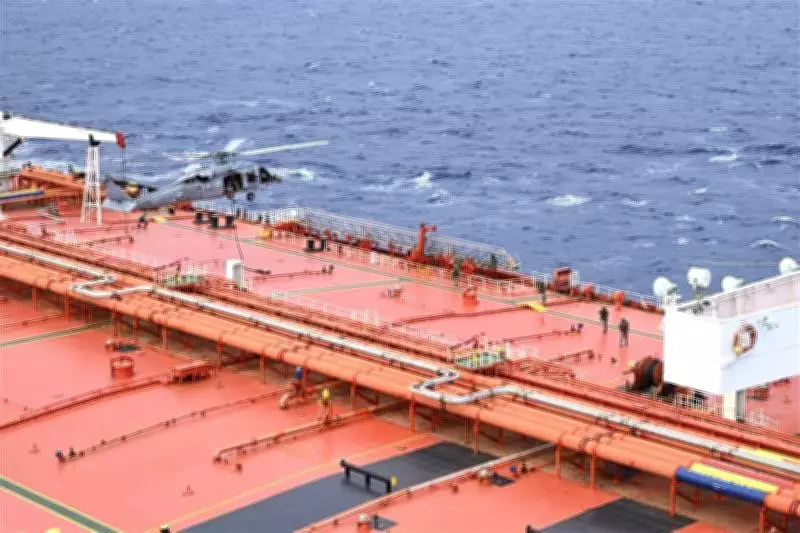
In a significant development that underscores the volatile state of international maritime affairs, United States naval forces have reportedly boarded an Iranian oil tanker in the Indian Ocean. This incident, which occurred in recent days, marks a notable escalation in the ongoing geopolitical tensions between the two nations and raises concerns about the security of vital global shipping lanes.
Details of the Boarding Operation
According to sources familiar with the matter, the boarding operation was conducted by US military personnel in the vast expanse of the Indian Ocean, a critical waterway for global oil transport. The Iranian-flagged vessel, identified as an oil tanker, was intercepted as part of what US officials describe as a routine maritime security operation. However, the action has been met with strong condemnation from Iranian authorities, who view it as a provocative act in violation of international law.
The timing of this incident is particularly sensitive, coming amid heightened regional disputes and ongoing negotiations over Iran's nuclear program. It highlights the persistent friction between Washington and Tehran, which has often played out in maritime domains, including previous seizures and confrontations in the Persian Gulf and adjacent waters.

Implications for Regional and Global Security
The boarding of the Iranian oil tanker by US forces carries significant implications for regional stability and international trade. The Indian Ocean serves as a major conduit for energy shipments from the Middle East to markets in Asia and beyond, making any disruption a matter of global economic concern.
- Increased Risk of Escalation: This event could potentially trigger retaliatory measures from Iran, such as harassment of commercial shipping or further military posturing, thereby increasing the risk of a broader conflict.
- Impact on Oil Markets: Any prolonged tension or interference with oil tankers in the region might lead to volatility in global oil prices, affecting economies worldwide.
- Legal and Diplomatic Fallout: The incident is likely to spark debates over maritime law and sovereignty, with Iran expected to lodge formal complaints with international bodies like the United Nations.
Furthermore, this operation underscores the US military's continued presence and operational reach in strategic waterways, even as it recalibrates its focus on great-power competition with nations like China and Russia.
Broader Context of US-Iran Relations
The boarding of the Iranian tanker is not an isolated event but part of a pattern of confrontations between the US and Iran. Over the years, both nations have engaged in a series of maritime incidents, including the seizure of vessels and attacks on oil facilities. These actions are often linked to broader geopolitical struggles, such as sanctions enforcement, nuclear diplomacy, and regional influence.
In recent months, tensions have simmered over issues like Iran's support for proxy groups in the Middle East and stalled talks to revive the 2015 nuclear deal. The US has maintained a policy of maximum pressure on Tehran, including stringent economic sanctions, while Iran has sought to assert its maritime rights and resist what it perceives as American hegemony.
This latest incident serves as a stark reminder of the fragile nature of US-Iran relations and the potential for miscalculation to spiral into more serious confrontations. It also highlights the importance of diplomatic channels and international cooperation in managing such disputes to prevent escalation that could threaten global peace and security.






