

Bipartisan Agreement Prevents US Government Shutdown Amid Immigration Tensions
In a significant political development, the United States has narrowly avoided a partial government shutdown after President Donald Trump and Democratic leaders reached a crucial bipartisan agreement. The deal specifically addresses the contentious funding for the Department of Homeland Security (DHS) while separating it from broader immigration enforcement debates that have polarized the nation.
Key Components of the Funding Agreement
The breakthrough came after intense negotiations between the Trump administration and Democratic representatives, who had previously blocked legislation to fund DHS. According to multiple reports, the agreement involves two critical elements that helped break the political deadlock.
First, the deal separates homeland security funding from the rest of the government funding legislation. This strategic move allows Congress to pass the overall funding package quickly, ensuring that essential agencies like the Pentagon and the Department of Health and Human Services can continue operating without interruption.

Second, the agreement provides temporary funding for DHS for a two-week period. This extension creates a crucial window for negotiators to continue discussions about immigration enforcement tactics and restrictions that Democrats have been demanding.
Political Context and Immediate Triggers
The urgency for this agreement was amplified by recent tragic events in Minneapolis, where federal immigration agents were involved in the shooting deaths of two protesters. The incident, which claimed the life of nurse Alex Pretti among others, sparked widespread public outrage and intensified Democratic demands for immediate action.
Senate Democrats had threatened to hold up the entire funding package in an effort to force the Trump administration to implement new restrictions on federal immigration enforcement. Their specific demands included ending roving patrols by immigration agents, banning the use of face masks during operations, and requiring body cameras for all enforcement activities.
Trump's Call for Bipartisan Support
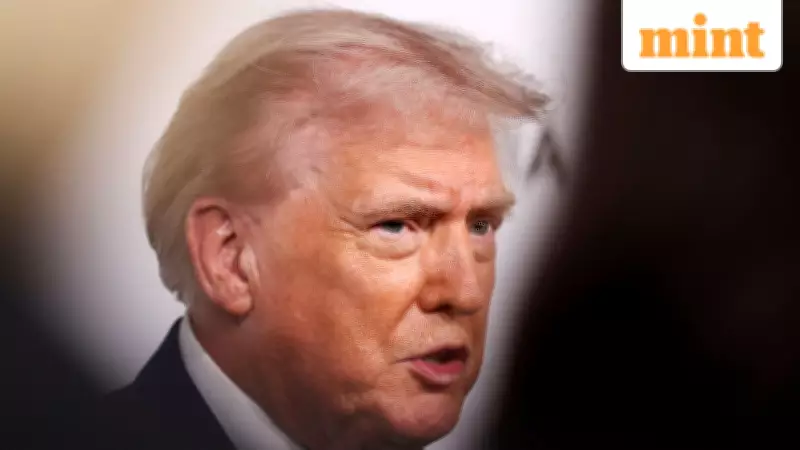
President Trump personally announced the breakthrough agreement through his social media channels, emphasizing the bipartisan nature of the compromise. "Republicans and Democrats have come together to get the vast majority of the government funded until September," Trump stated in his post, while noting that current funding for Homeland Security would be extended temporarily.
The President made a direct appeal to lawmakers from both parties, urging them to cast what he described as a "much needed Bipartisan 'YES' vote." This call for unity came despite the challenging political environment and the scheduled congressional break that had members dispersed in their home districts.
Implementation Challenges and Next Steps
House Speaker Mike Johnson had earlier indicated the practical difficulties in recalling members from their scheduled break before the chamber's regular Monday resumption. However, the midnight Friday deadline for funding approval created sufficient pressure to facilitate the agreement.
The temporary nature of the DHS funding means that negotiators now have exactly two weeks to reach a more permanent agreement on immigration enforcement tactics. This compressed timeline adds urgency to discussions that have been ongoing for months, with Democrats seeking substantial reforms to immigration enforcement procedures.
Broader Implications for US Governance
This agreement represents more than just a temporary funding solution—it demonstrates how crisis situations can sometimes force bipartisan cooperation even in deeply divided political environments. The separation of DHS funding from the broader package represents a pragmatic approach to governance that allows essential government functions to continue while contentious policy debates proceed separately.
The Trump administration's decision to de-escalate operations in the Minneapolis region following the shooting incidents created an opening for negotiations that ultimately led to this agreement. This suggests that public pressure and tragic events can sometimes create unexpected opportunities for political compromise.

As the two-week negotiation period begins, all eyes will be on whether both parties can build on this temporary agreement to create more lasting solutions to the complex immigration challenges facing the United States.





