US and Israel Launch Coordinated Strikes on Iran in Operation Epic Fury
The United States and Israel have launched a major military operation against Iran, codenamed "Operation Epic Fury," marking the most direct escalation in a conflict that has simmered for over four decades. The strikes, which reportedly targeted multiple locations across Iran including sites near Supreme Leader Ayatollah Ali Khamenei's offices, represent a dramatic shift from proxy battles to open confrontation.
The Historical Roots: 1979 Hostage Crisis
The adversarial relationship between the US and Iran began with the 1979 Islamic Revolution. On November 4, 1979, Iranian student activists stormed the US Embassy in Tehran, taking 52 American diplomats and citizens hostage for 444 days. This crisis unfolded after the revolution toppled Mohammad Reza Pahlavi, the US-backed shah, and brought Ayatollah Ruhollah Khomeini to power.
President Jimmy Carter severed diplomatic relations and imposed sanctions in April 1980. A failed US rescue attempt later that month resulted in eight American servicemen killed. The hostages' eventual release in January 1981 cemented a rupture that would define US-Iran relations for generations.

Escalating Tensions: From Axis of Evil to Nuclear Deal
In 1995, President Bill Clinton imposed a comprehensive trade ban, accusing Iran of supporting terrorism through groups like Hezbollah and Hamas. The rhetoric intensified in 2002 when President George W. Bush labeled Iran part of an "axis of evil" alongside Iraq and North Korea.
The nuclear issue came to the forefront in the early 2000s with revelations about undeclared nuclear sites. Despite Iran's denials of weapons development, a 2011 IAEA report suggested activities related to nuclear explosives until at least 2003.
The 2015 nuclear deal represented a brief thaw. Iran agreed with six world powers to curb nuclear activities in exchange for sanctions relief. However, this accord unraveled in 2018 when President Donald Trump withdrew and reimposed sanctions, leading Iran to reduce compliance.
Recent Flashpoints: Soleimani and Nuclear Strikes
Tensions reached new heights in January 2020 when a US drone strike killed Major General Qasem Soleimani, commander of Iran's elite Quds Force. Iran retaliated with missile strikes on US bases in Iraq.
In June 2025, during Israel-Iran hostilities, the US struck three major Iranian nuclear facilities. President Trump claimed the sites were "obliterated," though damage assessments remained unconfirmed. These strikes occurred amid stalled nuclear negotiations.
Operation Epic Fury: The Current Escalation
The latest escalation began with Trump's deployment of a US "armada" to the region in late 2025 and threats of military action. After failed negotiations under Omani mediation in early 2026, Trump issued an ultimatum in February, warning "bad things happen" without a deal.
On Saturday, the US and Israel launched coordinated strikes under Israel's "Lion's Roar" operation, which the US dubbed Operation Epic Fury. Trump stated the action aimed at "eliminating imminent threats," alleging Iran continued nuclear advancement and missile development.
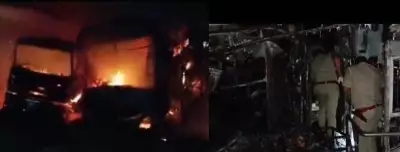
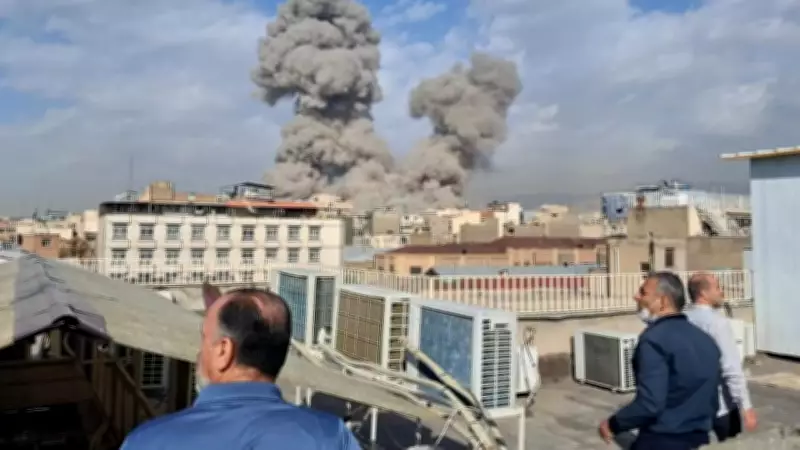
Iranian media reported explosions nationwide, with smoke seen over Tehran, indicating a wide-ranging assault. This operation marks a dangerous new chapter in a conflict that has evolved from diplomatic ruptures to covert operations to direct military confrontation.