

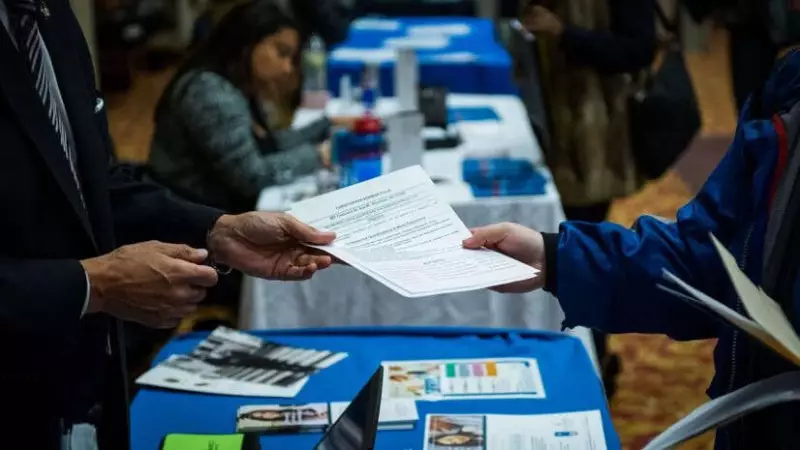
The labour market in the United States showed clear signs of strain in November, as the official unemployment rate climbed to its highest point in more than four years. According to the Bureau of Labor Statistics, the rate rose to 4.6 per cent, marking a significant increase and highlighting persistent weakness in job creation.
A Mixed Picture for the US Economy
This rise in unemployment came despite the economy adding 64,000 jobs in November, a figure that followed a sharp decline of 105,000 positions in October. The November report paints a complex picture. While private sector payrolls demonstrated steady growth, federal government employment continued its downward trend. Private sector employment actually added a combined 121,000 jobs over October and November, exceeding analyst expectations. However, this was offset by ongoing cuts in government roles.
The federal government shed another 6,000 jobs in November. This continues a series of layoffs linked to Elon Musk’s Department of Government Efficiency initiative, bringing total federal employment losses to a staggering 271,000 since January. Another factor pushing the overall rate higher was teenage unemployment, which jumped from 13 per cent in September to 16 per cent in November. Analysts often note that youth employment figures can be volatile.

Federal Reserve's Likely Focus and Market Reaction
The latest data has intensified speculation that the Federal Reserve may continue to cut interest rates in the coming months to support the economy. Robert Tipp, head of global bonds at PGIM Fixed Income, emphasised the importance of the unemployment figure, stating it is "maybe the most important number in the report." He suggested the Fed is likely to keep its attention fixed on employment trends rather than inflation in its policy decisions.
However, some officials urge caution. Raphael Bostic, president of the Atlanta Fed, indicated he did not foresee unemployment rising much beyond current levels, calling the report consistent with his labour market expectations. Financial markets reacted promptly to the news. Short-term US government bond yields fell, with the two-year Treasury yield dropping 0.02 percentage points to 3.49 per cent. Wall Street's S&P 500 index also slipped by 0.2 per cent.
Political Calls and Data Scrutiny
The weak job numbers have reinforced calls from President Donald Trump for lower interest rates to fuel economic growth. Kevin Hassett, director of the National Economic Council, echoed this sentiment, noting the president's view is shared by many. Adding to concerns about the labour market's true health, Fed Chair Jay Powell indicated last week that recent monthly job gains might be overestimated by as much as 60,000. With hiring averaging only 22,000 over the past three months, this revision reinforces the view that the US economy is indeed losing jobs.
In summary, the November jobs report presents a concerning outlook for the American worker, with the rising unemployment rate acting as a key bellwether for future economic policy and market stability.






