

US Federal Judge Supports Banned ICE Tracking Portals in First Amendment Ruling
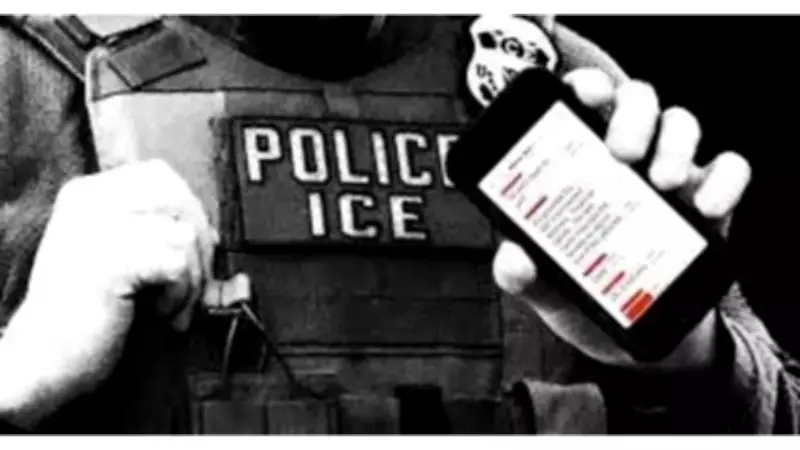
A US federal judge has issued a significant ruling supporting two banned Immigration and Customs Enforcement (ICE) tracking portals, finding that government actions likely violated constitutional free speech protections. According to a detailed report by The Verge, Judge Jorge L. Alonso of the US District Court for the Northern District of Illinois granted preliminary relief to the creators of an ICE-tracking application and a related Facebook group, backing their claim that officials may have infringed upon their First Amendment rights.
Judge Rules Plaintiffs Likely to Succeed Against DHS and DOJ
In his ruling, Judge Alonso determined that the plaintiffs, Kassandra Rosado and the Kreisau Group, are likely to succeed in their legal case against the Department of Homeland Security (DHS) and the Department of Justice (DOJ). The lawsuit alleges that officials from the previous Trump administration exerted pressure on major technology platforms, including Apple and Facebook, to remove tools that tracked ICE activity using publicly available information. This legal action highlights ongoing tensions between government authority and digital free speech.
The judge's decision temporarily blocks the government from coercing platforms to take down the specific tools in question: the Eyes Up app and the “ICE Sightings - Chicagoland” Facebook group. Both of these portals were removed following intense pressure from federal officials, alongside similar applications such as ICEBlock and Red Dot. The complaint references social media posts by former US Attorney General Pam Bondi and former DHS Secretary Kristi Noem, which explicitly called for the removal of such tracking tools. In his court filing, Judge Alonso described these posts as “thinly veiled threats” against the plaintiffs' expressive activities.

Legal Precedent and Government Coercion Cited
Judge Alonso referenced a unanimous Supreme Court ruling from a pivotal 2024 case involving the National Rifle Association (NRA) and Maria Vullo, the former superintendent of the New York Department of Financial Services. In that landmark decision, the Supreme Court clearly stated that “[g]overnment officials cannot attempt to coerce private parties in order to punish or suppress views that the government disfavors,” after Vullo pressured companies to sever ties with the NRA. Building directly on this precedent, Alonso wrote in his opinion, “Here, [Pam] Bondi and [Kristi] Noem did exactly that. They reached out to Facebook and Apple and demanded, rather than requested, that Facebook and Apple censor Plaintiff’s speech.”
Regarding the ICE Sightings Facebook group specifically, Attorney General Pam Bondi posted on the social media platform X that an unnamed group “being used to dox and target” ICE agents had been taken down after the DOJ contacted Meta, the parent company of Facebook. This statement underscores the government's active role in seeking the removal of content it deemed problematic, raising critical questions about the boundaries of acceptable governmental influence over private platforms.
Ongoing Legal Proceedings and Broader Implications
The government is expected to file an appeal against this preliminary ruling, meaning the legal proceedings will continue to unfold in the courts. This case represents a crucial test of how First Amendment protections apply in the digital age, particularly when government officials interact with technology companies to regulate content. On a broader scale, the Supreme Court's unanimous 2024 decision in the NRA case indicates that the Trump administration may face additional legal challenges related to similar actions, setting a powerful precedent against government coercion of private entities to suppress disfavored speech.
This ruling not only impacts the immediate parties involved but also signals to other developers and activists that courts may safeguard digital tools that rely on publicly available data for tracking government activities. As technology evolves, such cases will likely shape the future landscape of free expression, privacy, and governmental oversight in the United States.






