In a significant escalation of its maritime counter-narcotics campaign, the United States military has conducted a lethal strike in the Eastern Pacific Ocean, killing at least two individuals described as "male narco-terrorists." This incident brings the total number of people killed in Washington's ongoing operations in the region to a minimum of 107.
The Strike and Official Justification
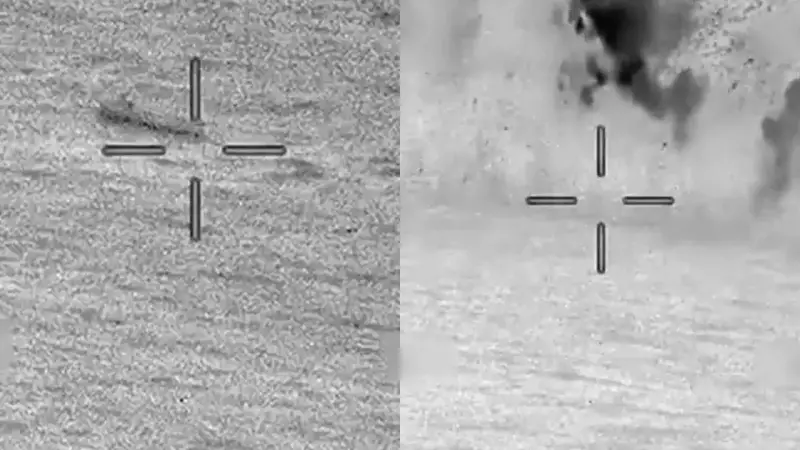
The operation was announced by the US Southern Command (SOUTHCOM) via a post on the social media platform X. The military command stated that intelligence confirmed the targeted vessel was navigating along established narco-trafficking routes in the Eastern Pacific and was actively involved in drug-smuggling operations. The post included a black-and-white video clip showing the moment of the "lethal kinetic strike" on a small boat, where two explosive flashes and flaming debris are clearly visible.
The US military did not disclose the precise coordinates of the attack, maintaining operational secrecy. According to available data, this strike is part of a broader campaign that has seen at least 30 similar attacks on suspected drug-smuggling boats since September. The majority of these engagements have occurred in the vast expanse of the Eastern Pacific, with a smaller number taking place in the Caribbean Sea.

Legal and Ethical Controversies Intensify
The latest action has reignited a fierce debate regarding the legal framework of these missions. A critical point of contention is that the US administration has consistently not provided public evidence to substantiate its claims that the targeted boats are involved in drug trafficking. This lack of transparency has drawn sharp criticism from international law experts and human rights organizations.
These groups argue that such strikes, conducted without judicial process or clear proof presented in a court of law, likely constitute extrajudicial killings—a charge that Washington has firmly denied. The debate centers on the applicability of international law in international waters against non-state actors and the thresholds for the use of lethal force.
Campaign Expands to Venezuelan Territory
The news of the Pacific strike follows a major development announced earlier this week. US President Donald Trump confirmed on Monday that American forces struck and destroyed a docking area for alleged drug boats within Venezuela itself. This operation potentially marks the first land-based strike in the military campaign ostensibly aimed at disrupting drug trafficking networks.
This move is viewed within the context of a sustained pressure campaign waged by the Trump administration against the leftist government of Venezuelan President Nicolas Maduro. Maduro has repeatedly accused Washington of seeking a regime change to gain control over his country's massive oil reserves. In recent months, the US has also imposed a partial naval blockade on Venezuela and intercepted several of its oil tankers.
President Trump has asserted that he does not require approval from US lawmakers to order strikes against suspected drug cartel targets, whether at sea or on land in Venezuela, citing concerns over potential intelligence leaks that could compromise operations.
The convergence of these events—the ongoing maritime strikes and the new foray into Venezuelan territory—signals a hardening and widening of the US approach to combating drug trafficking in the Western Hemisphere, raising complex questions about sovereignty, international law, and the long-term strategy of confronting narco-terrorist networks.