A senior United States lawmaker has issued a stark warning to American military personnel, stating that any orders to use force in Greenland without explicit authorization from Congress would be illegal. This declaration highlights the growing strategic tensions surrounding the vast, resource-rich Arctic territory of Greenland.
Congressman's Direct Warning to US Troops
Democratic Congressman John Garamendi, who serves as the ranking member of the House Armed Services Subcommittee on Readiness, made this significant statement. He emphasized that the Constitution grants Congress, not the President, the sole power to declare war. This principle extends to any significant military action, including in territories like Greenland.
Garamendi's comments serve as a direct caution to service members. He stated that following an order to use military force in Greenland without the necessary Congressional mandate would mean obeying an unlawful command. This places a profound legal and ethical responsibility on individual soldiers and officers.

Geopolitical Stakes in the Arctic
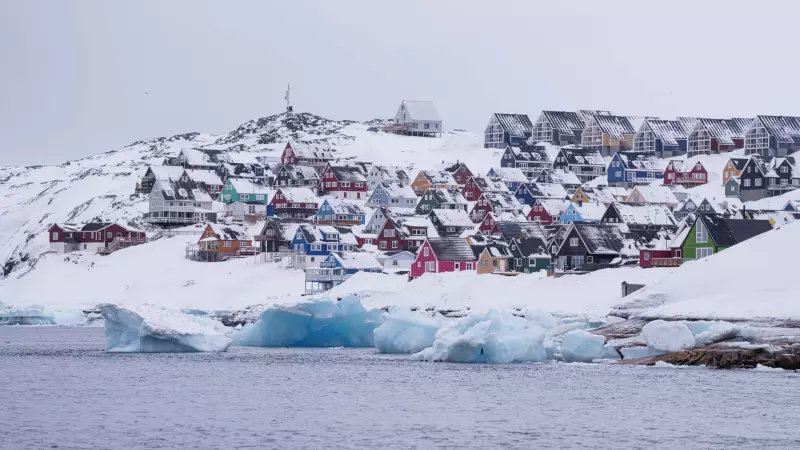
The backdrop to this warning is the intensifying geopolitical competition in the Arctic. Greenland, an autonomous territory within the Kingdom of Denmark, possesses immense strategic value. Its location offers critical advantages for global military surveillance and control of emerging Arctic shipping routes.
Furthermore, the island is believed to hold vast deposits of rare earth minerals and other natural resources, essential for modern technology and green energy solutions. This has drawn keen interest from global powers, including the United States, China, and Russia, turning the region into a potential flashpoint.
The United States maintains a longstanding presence at Thule Air Base in northern Greenland, one of its northernmost military installations. The debate over expanding or altering this footprint is at the heart of the current constitutional discussion.
Constitutional Authority and Military Ethics
At its core, this issue revolves around the War Powers Resolution of 1973 and the fundamental separation of powers in the US government. The Constitution clearly states that Congress has the authority to "declare War," "raise and support Armies," and "make Rules for the Government and Regulation of the land and naval Forces."
Congressman Garamendi's stance reinforces that a prolonged or offensive military engagement in Greenland would require a congressional vote, not just an executive order. His warning underscores the legal doctrine that service members are obligated to disobey manifestly illegal orders, a principle cemented after the Nuremberg trials.
This creates a complex scenario for the US military chain of command in the region, balancing operational readiness with strict adherence to constitutional law.
Broader Implications for US Foreign Policy
This congressional intervention signals a growing assertiveness from the legislative branch in overseeing military and foreign policy, particularly in sensitive regions. It acts as a check on potential executive overreach and underscores that strategic decisions with global ramifications must have democratic legitimacy through Congress.
The statement also sends a clear message to US allies and adversaries. It demonstrates internal US governance processes and the legal boundaries within which the American military operates. For Denmark and Greenland, it clarifies that any significant escalation of the US military role would be subject to a transparent and potentially lengthy domestic political process in Washington.
As climate change makes the Arctic more accessible, the struggle for influence will only intensify. The warning from Capitol Hill establishes a crucial legal precedent, ensuring that America's pursuit of its interests in the frozen north remains firmly within the bounds of its own laws and democratic principles.