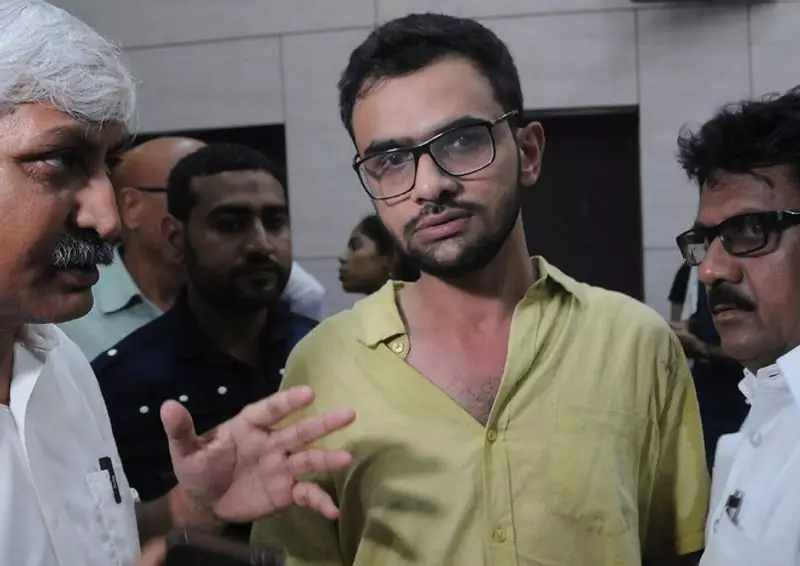
A significant development in the case of detained Indian activist Umar Khalid has emerged from Washington D.C. A group of concerned United States lawmakers has formally reached out to India's Ambassador to the U.S., Taranjit Singh Sandhu, expressing their apprehensions regarding the judicial proceedings against Khalid.
Congressional Letter Highlights Due Process Concerns
The communication, dated April 26, 2024, was signed by a total of six members of the U.S. House of Representatives. The signatories include prominent figures such as Ilhan Omar, Jamaal Bowman, Cori Bush, Rashida Tlaib, Alexandria Ocasio-Cortez, and Greg Casar. In their letter, the lawmakers articulated a clear request for the Indian government to ensure that Umar Khalid receives a fair and timely trial that adheres to international human rights standards.
The letter specifically references the legal framework under which Khalid is being held. He has been in detention for over three and a half years under the stringent Unlawful Activities (Prevention) Act (UAPA). His arrest and charges are connected to the 2020 Delhi riots, a period of communal violence that resulted in significant loss of life and property. The U.S. representatives pointedly noted that Khalid has been denied bail multiple times during this extended pre-trial detention.

The Core Appeal for Justice and Human Rights
The essence of the lawmakers' appeal centers on the principles of justice and due process. They emphasized that a fair and expeditious trial is not just a domestic legal requirement but a cornerstone of international human rights law. The letter serves as a diplomatic nudge, urging the Indian envoy to convey their concerns to the relevant authorities in New Delhi.
This intervention underscores the international attention that cases involving the UAPA and lengthy pre-trial detentions are attracting. The lawmakers' action reflects a growing scrutiny among global democratic partners regarding the balance between national security laws and the protection of fundamental rights. The letter avoids making judgments on guilt or innocence but firmly advocates for the process itself to be transparent, fair, and concluded without further undue delay.
Implications and the Path Forward
The direct communication to Ambassador Sandhu places the issue on a formal diplomatic channel. While such letters from foreign legislators are not uncommon, they carry symbolic weight and can influence bilateral discourse on human rights issues. The Indian government is now positioned to respond, either directly to the lawmakers or through its ongoing judicial processes.
For Umar Khalid and his supporters, this move by U.S. Congress members represents a form of international solidarity and advocacy. It brings renewed global focus to his case, which has been a flashpoint in debates over civil liberties in India. The development also highlights how legal cases in India can resonate within the Indian diaspora and among international observers concerned with democratic norms.
The next steps hinge on the Indian judiciary's scheduling of the trial and any potential bail hearings, as well as any official response from the Ministry of External Affairs in New Delhi regarding the receipt and content of the congressional letter.