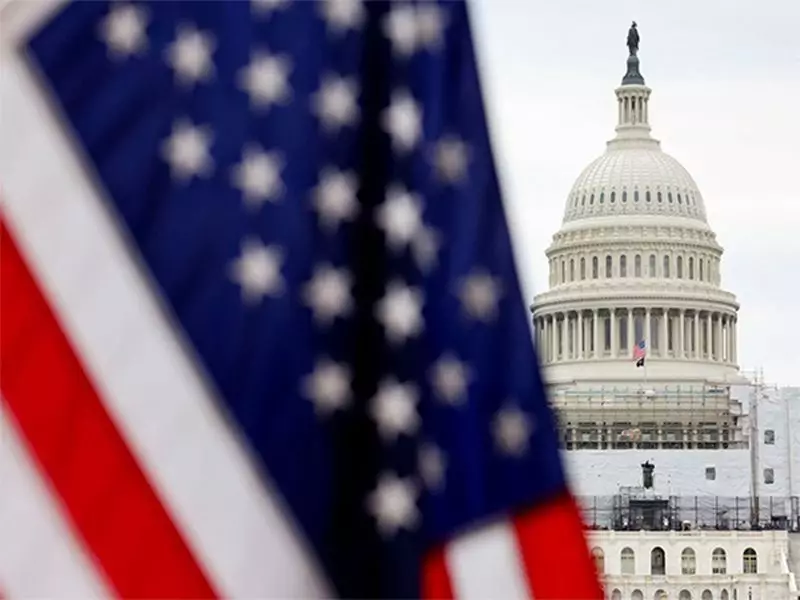
A significant bipartisan group of 42 members of the United States Congress has taken a firm stance against what they describe as escalating transnational repression by Pakistan. In a powerful letter dated April 25, 2024, the lawmakers have called for immediate and concrete action against Pakistani officials allegedly involved in intimidating and silencing critics abroad, particularly in the United States.
The Congressional Call for Sanctions
The letter, addressed to US Secretary of State Antony Blinken and Senator Marco Rubio, the Vice Chairman of the Senate Select Committee on Intelligence, urges the Biden administration to utilize specific legal tools. The primary demand is to impose visa bans and asset freezes on Pakistani officials who are believed to be orchestrating campaigns of harassment and intimidation against American citizens and residents of Pakistani origin.
The lawmakers expressed deep concern over a consistent pattern of behaviour where dissidents, activists, and journalists living in the US face threats, harassment, and even violence from actors they link to the Pakistani state. This campaign, known as transnational repression, seeks to extend a government's reach beyond its borders to suppress dissent, undermining fundamental freedoms and US sovereignty.

Evidence and Specific Incidents Cited
The congressional letter is not based on vague allegations. It references several high-profile and troubling cases to substantiate its claims. A major focal point is the alleged abduction of a US citizen of Pakistani origin, which was reportedly investigated by the Federal Bureau of Investigation (FBI). This incident starkly highlights the severe risks faced by critics.
Furthermore, the lawmakers pointed to the shocking case of journalist Ahmed Farhad Shah, a Kashmiri poet who was allegedly abducted from his home. They also mentioned the brutal murder of blogger Syed Muhammad Zeeshan in Canada, a case that raised international alarm about the dangers faced by dissidents globally. These examples are presented as part of a broader, alarming trend that requires a decisive US response.
Legal Framework and Expected Consequences
The 42 representatives have advocated for the use of established US laws to hold perpetrators accountable. They specifically referenced the Global Magnitsky Human Rights Accountability Act, a powerful tool that allows the US government to sanction foreign individuals involved in serious human rights abuses and corruption, regardless of their location.
By imposing visa restrictions and freezing any US-based assets, the proposed sanctions aim to deliver a direct personal consequence to the officials involved. This move is intended to serve as a strong deterrent, signalling that the United States will not tolerate foreign governments targeting individuals on its soil. It reinforces the principle that America is a safe haven for free speech and political dissent.
The bipartisan nature of this appeal, led by Congressmen Andy Ogles and Gus Bilirakis, underscores the seriousness with which this issue is viewed across the political spectrum in Washington. The ball is now in the court of the State Department and relevant committees to consider this formal request for action, which could significantly strain diplomatic ties with Pakistan if implemented.