U.S. Military Poised for Potential Iran Strikes as Nuclear Tensions Escalate
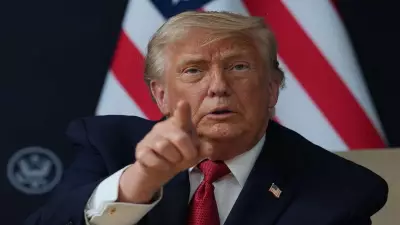
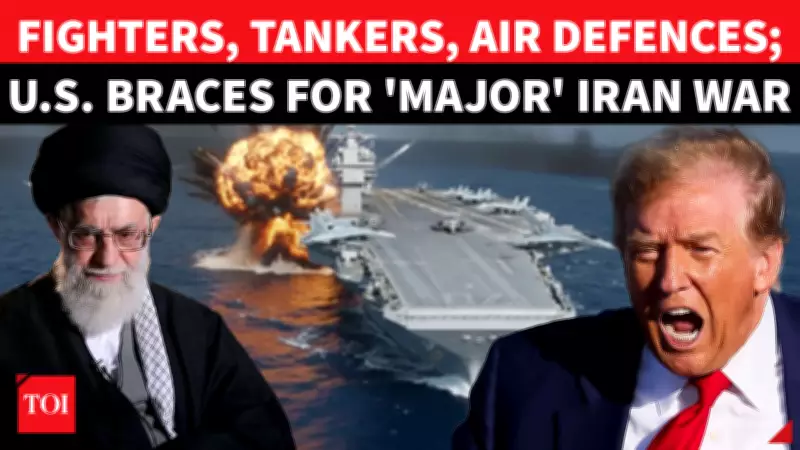
The United States military is reportedly on standby, awaiting authorization from President Donald Trump to execute strikes against Iran, with operations potentially commencing as early as this Saturday. This development unfolds against a backdrop of heightened nuclear tensions and significant military posturing in the Middle East, raising fears of a broader regional conflict.
Imminent Military Action Amid Diplomatic Deadlock
Sources indicate that the U.S. military has finalized contingency plans for targeted strikes on Iranian facilities, linked to Tehran's advancing nuclear program and its support for proxy groups. The decision now hinges on Trump's approval, which could be granted imminently, marking a critical juncture in the longstanding nuclear showdown between Washington and Tehran.
This potential escalation follows months of failed diplomatic efforts and increasing provocations. Iran has recently accelerated its uranium enrichment activities, defying international agreements and drawing sharp condemnation from Western allies. Concurrently, Iranian-backed militias have launched attacks on U.S. interests in the region, further straining relations.

Regional Military Buildups Intensify Standoff
The situation is compounded by visible military mobilizations. Russian warships have joined Iranian naval forces in the Sea of Oman, conducting joint exercises in a clear show of solidarity against the U.S. military presence. Additionally, China has deployed naval assets to the Strait of Hormuz, aligning with Iran and Russia, while the U.S. military monitors these movements from the Persian Gulf.
These developments create a volatile environment where any miscalculation could trigger a wider confrontation. Putin has further dispatched a top minister to Iran, underscoring Moscow's support amid the U.S. military buildup. Meanwhile, the U.S. has tightened an energy blockade against Cuba, impacting flights and causing Russian tourists to flee as Moscow deploys aircraft in response.
Broader Implications and Global Reactions
The prospect of U.S. strikes has sent shockwaves through global diplomatic circles. Allies and adversaries alike are closely watching Trump's next move, which could redefine Middle East geopolitics. The involvement of major powers like Russia and China adds a layer of complexity, potentially drawing the conflict into a broader international arena.
Key factors influencing the decision include:
- Iran's nuclear advancements and compliance with international norms.
- The security of U.S. military bases and personnel in the region.
- Ongoing conflicts in Gaza and other hotspots where Iran plays a role.
- Domestic political pressures within the U.S., including debates over AIPAC influence and foreign policy.
As the world braces for potential military action, the coming days will be crucial in determining whether diplomacy can prevail or if the region will descend into open warfare. The U.S. military's readiness underscores the gravity of the situation, with all eyes on the White House for a definitive signal.