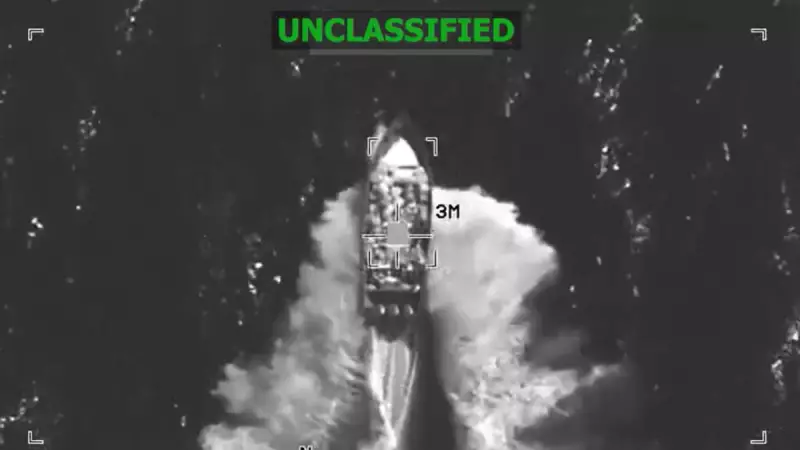
A recent military strike conducted by the United States in the vast expanse of the Pacific Ocean has resulted in the deaths of four individuals aboard a vessel suspected of drug trafficking. This lethal operation, confirmed by US officials, comes amid a storm of international criticism over a separate, highly controversial incident where US forces allegedly attacked survivors of a prior interdiction.
Details of the Deadly Engagement
The event unfolded on December 5, 2025, when US assets, likely involving Coast Guard or Navy personnel, targeted the suspected narcotics smuggling boat. According to the reports, the engagement led to the fatal shooting of four people on board. While specific coordinates were not disclosed, such operations typically occur in international waters far off the coasts of Central and South America, a known transit zone for narcotics bound for North America.
Authorities have defended the action as a necessary measure in the ongoing war against drug cartels and transnational criminal organizations. The US Southern Command, which oversees military activities in the region, has historically been involved in numerous interdiction missions aimed at disrupting the flow of cocaine and other illicit substances.

Mounting Global Outrage Over Survivor Incident
This latest strike has further fueled a firestorm of global outrage that began with revelations of a previous, more disturbing event. Reports indicate that earlier, US forces intercepted another drug-smuggling vessel. After disabling the boat, the crew allegedly opened fire on individuals who were in the water, potentially survivors of the initial confrontation.
This alleged attack on survivors has drawn sharp condemnation from human rights groups, legal experts, and foreign governments. Critics are labeling the act a potential violation of international maritime law and the laws of armed conflict, which mandate the protection of individuals who are hors de combat (out of combat) or in distress at sea.
The growing scandal has prompted demands for a transparent and independent investigation into the rules of engagement followed by US forces during these counter-narcotics operations. Questions are being raised about accountability and whether the pressure to curb drug flows is leading to disproportionate and illegal use of force.
Broader Implications and the Path Forward
The twin incidents have cast a harsh spotlight on the aggressive tactics sometimes employed in the US-led drug interdiction campaign in the Pacific. While these operations have seized tonnes of narcotics annually, the human cost and legal ramifications are now under intense scrutiny.
The key consequences and debates emerging include:
- Legal and Ethical Scrutiny: International lawyers are examining if the actions, particularly against survivors, constitute war crimes or violations of the United Nations Convention on the Law of the Sea (UNCLOS).
- Strain on Diplomatic Relations: Countries in Latin America, often the source of the narcotics, may view these forceful actions as an infringement on sovereignty and a disregard for human life, complicating bilateral cooperation.
- Operational Policy Review: There is mounting pressure on the US Department of Defense and the Coast Guard to thoroughly review and possibly revise their rules of engagement for maritime drug interdiction to prevent future controversies.
As the US Coast Guard and Navy continue their patrols, the balance between effective law enforcement and adherence to international humanitarian standards has become the central issue. The world is now watching closely, awaiting official explanations and accountability measures from Washington regarding these fatal Pacific Ocean engagements.