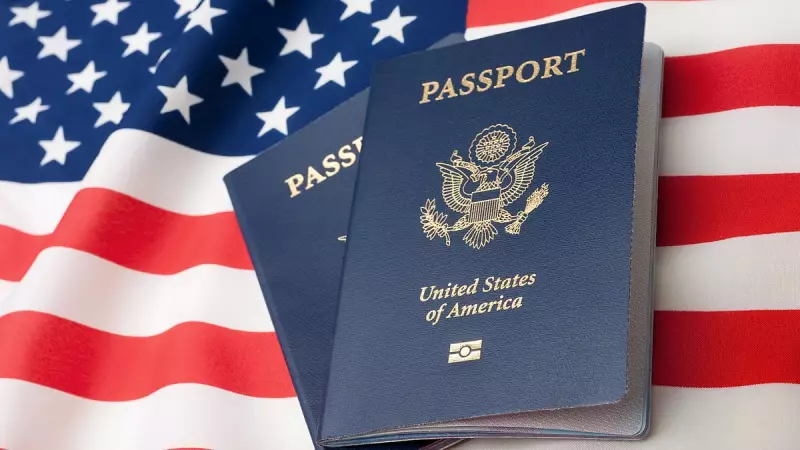
US Introduces Controversial Passport Gender Policy
The United States government has implemented a temporary policy change that significantly impacts how gender is documented on passports. The new rule requires passports to display a person's sex assigned at birth, even when it conflicts with their current gender identity.
This interim measure was announced on November 8, 2025, as reported by the International New York Times. The policy will remain in effect while lower courts deliberate on its legality and constitutionality.
Legal Status and Implementation Timeline
The passport gender policy is currently in a state of legal limbo. Federal courts are actively examining whether requiring birth sex designation violates individual rights and existing anti-discrimination laws.

During this judicial review period, the policy remains enforceable. This means passport applicants must comply with the birth sex requirement regardless of their gender identity or whether they have legally changed their gender markers in other official documents.
The temporary nature of this implementation indicates the administration acknowledges the policy's uncertain legal future. Court decisions expected in the coming months will determine whether this becomes permanent policy or is struck down as unconstitutional.
Implications for Travelers and International Relations
This policy shift creates immediate challenges for transgender and non-binary Americans who hold passports with gender markers matching their identity. Those with upcoming international travel face potential complications at border controls where passport information doesn't align with their appearance.
International human rights organizations have expressed concern about the policy's impact. Many countries have moved toward more inclusive gender documentation practices, making this US policy change particularly notable in global context.
The decision could affect diplomatic relations with nations that have stronger protections for gender identity rights. Travelers should verify entry requirements for destination countries, as discrepancies between appearance and passport details might cause additional screening.
Legal experts suggest carrying supporting documentation, such as doctor's letters or court orders for name changes, to help navigate potential border security questions during this transitional period.