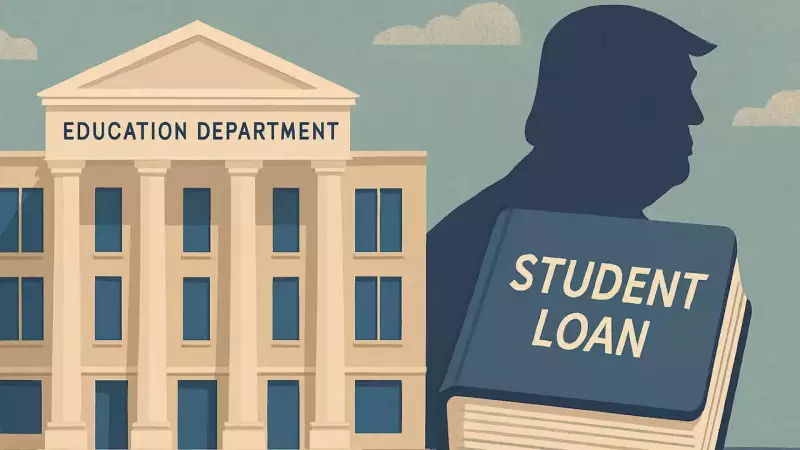
The Trump administration has initiated steps to restart the controversial practice of wage garnishment for Americans who have defaulted on their federal student loans. This move officially ends the pandemic-era protection that had temporarily halted such aggressive debt collection measures.
Warning Letters and the Return of Collections
The US Department of Education will begin sending out warning letters to borrowers in default starting Wednesday. A department spokesperson confirmed to FOX Business that the first batch of approximately 1,000 notices will be dispatched the week of January 7. The scale of this operation is set to expand significantly on a month-to-month basis.
This action reverses the relief provided during the COVID-19 pandemic, which shielded borrowers who fell behind on payments from harsh recovery tactics. With that safeguard now lapsed, the government has reopened the door to recover dues directly from the paychecks of defaulters.

Financial Impact and Borrower Protections
Individuals in default now face the stark possibility of having up to 15% of their after-tax income withheld. Additionally, their tax refunds and certain federal benefits may also be seized. However, federal rules mandate that a minimum amount of weekly income must remain protected from garnishment.
Borrowers are entitled to a 30-day notice period before any money is taken from their wages. This window is designed to give individuals time to settle their dues, formally challenge the garnishment order, or explore alternative solutions. The official notices will detail options such as:
- Entering a voluntary repayment plan.
- Requesting a formal hearing to dispute the debt.
At these hearings, borrowers can contest the existence of the debt, the accuracy of the amount, or the legality of its enforcement. They can also argue that losing 15% of their disposable income would impose severe financial hardship. Special considerations may apply for those who have been in a new job for less than a year after involuntary unemployment.
Rights, Recourse, and the Scale of the Problem
Consumer advocates emphasise that wage garnishment is not an unavoidable fate. Borrowers can proactively contact federal authorities, enrol in loan rehabilitation or consolidation programmes, or request a hearing to stop the process. Federal law explicitly protects employees from being fired, denied employment, or penalised solely because of a wage garnishment order. Workers have the right to take legal action against employers who retaliate on these grounds.
Employers, for their part, are only permitted to receive the minimal information necessary to implement the wage withholding.
This crackdown comes at a time when millions remain trapped in default. Official data from the Education Department reveals that as of June 2025, a staggering 5.3 million borrowers were in default. This accounts for roughly 7% of the massive $1.58 trillion federal student loan portfolio. Officials have warned that this number could climb even higher as repayment programmes undergo restructuring.