In a stark declaration highlighting the crippling impact of American foreign policy, a senior United States senator has stated that Venezuela's crucial oil industry is completely hamstrung by Washington's sanctions. The South American nation, according to the official, cannot move its petroleum or earn any revenue from it without explicit approval from the United States government.
The Stark Warning from Senator Rubio
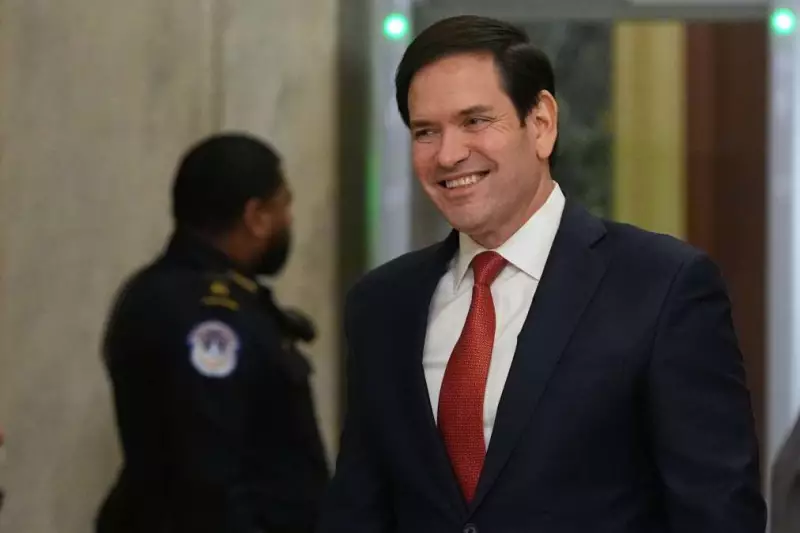
The powerful statement came from Republican Senator Marco Rubio of Florida, a long-time critic of the Venezuelan government. Rubio made these remarks in the context of the reimposition of stringent economic sanctions by the Biden administration against Venezuela's oil and gas sector. This policy reversal occurred after the government of President Nicolas Maduro failed to fulfill key electoral commitments.
The U.S. had temporarily eased some oil sanctions in October 2023 following a deal signed in Barbados. That agreement required Maduro's administration to conduct free and fair presidential elections in 2024 with proper international observation. However, the U.S. government determined that Maduro did not uphold his end of the bargain, leading to the sanctions snapback.

How the Sanctions Mechanism Works
Senator Rubio's comments underscore the mechanics of the U.S. sanctions regime. The core of the strategy is to cut off the Venezuelan state's primary source of income—oil exports. The U.S. Treasury Department's Office of Foreign Assets Control (OFAC) controls this through a licensing system.
"They cannot move oil. They cannot generate revenue from oil unless the United States, through the Treasury Department, grants them a specific license to do so," Rubio emphasized. This means every transaction, every cargo shipment, and every dollar of revenue must pass through a filter controlled by Washington. The goal is to apply maximum economic pressure on the Maduro regime to force democratic concessions.
Implications for Venezuela and Global Oil Markets
The consequences of this policy are profound for Venezuela, a country with the world's largest proven oil reserves but an economy in deep crisis for years. The renewed sanctions threaten to:
- Crush economic recovery: Halt any nascent recovery in oil production that had begun during the sanctions relief period.
- Deepen humanitarian crisis: Potentially worsen the living conditions for ordinary Venezuelans, though the U.S. argues the regime is to blame for misusing resources.
- Affect global supply: Remove Venezuelan heavy crude from the global market, potentially impacting oil prices and refining operations in countries like India and China that had increased purchases.
The U.S. has stated it will consider issuing individual licenses to specific companies on a case-by-case basis, but the default position is a comprehensive ban. This puts companies worldwide in a difficult position, forcing them to choose between engaging with Venezuela's state oil company PDVSA and maintaining access to the U.S. financial system.
As the July 28 presidential election in Venezuela approaches, this sanctions policy represents the Biden administration's primary lever to influence political events. The U.S. and its allies hope the economic pressure will compel Maduro to allow genuine electoral competition. However, critics argue that broad sanctions often empower authoritarian leaders and inflict suffering on populations while failing to achieve political change. The coming months will test the efficacy of this high-stakes geopolitical strategy.