US Announces Fresh Sanctions on Iran's Oil and Petrochemical Sector
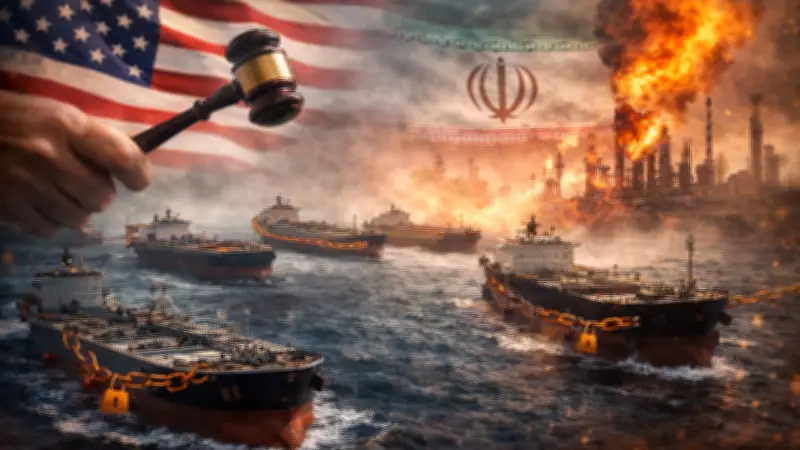
The United States government unveiled a new set of sanctions on Friday, directly targeting Iran's oil and petrochemical trade. This decisive action came mere hours after indirect diplomatic talks between Tehran and Washington concluded in the Sultanate of Oman. The sanctions specifically aim to disrupt Iran's so-called "shadow fleet," a network of vessels used to circumvent international restrictions on petroleum exports.
Sanctions Target Shadow Fleet and Entities
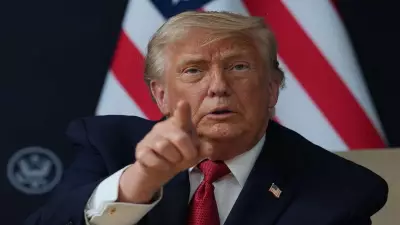
According to a statement from the US State Department, the sanctions designate 15 entities and 14 vessels linked to Iran's illicit oil transportation network. State Department spokesperson Tommy Pigott emphasized that these measures are a continuation of the Trump administration's "maximum pressure" campaign. "President Donald Trump is committed to driving down the Iranian regime's illicit oil and petrochemical exports," Pigott declared, framing the sanctions as a tool to financially constrain Tehran's activities.
Constructive Talks in Muscat Amidst Tensions
The announcement followed a day of indirect negotiations in Muscat, Oman, mediated by Omani officials. Iranian Foreign Minister Abbas Araghchi described the discussions as "a good start" and struck a cautiously optimistic note. "If we can go along with this positive path, I can say that we can reach a positive framework regarding the nuclear talks between Iran and the US," Araghchi told reporters after the meeting. He confirmed that both sides agreed to continue discussions following further consultations in their respective capitals.

Oman's Foreign Ministry confirmed that Foreign Minister Badr al-Busaidi held separate meetings with Araghchi and US Middle East envoy Steve Witkoff. Footage released by Oman's state news agency also showed US Navy Admiral Brad Cooper, head of US Central Command, in attendance, highlighting the military dimension of the ongoing tensions.
Broader Context of Escalation and Diplomacy
These negotiations mark the first formal engagement since the United States participated in Israeli military actions against Iran in June, which damaged Iranian nuclear facilities. Since that escalation, Washington has significantly bolstered its military presence in the region, deploying additional warships, fighter jets, and the aircraft carrier USS Abraham Lincoln.
US officials have indicated a desire to expand the talks beyond Iran's nuclear program to include its missile capabilities and regional influence. Iran, however, has insisted on keeping discussions strictly limited to nuclear issues. US Secretary of State Marco Rubio acknowledged the challenges earlier this week, stating, "I'm not sure you can reach a deal with these guys, but we're going to try to find out."
Persistent Tensions and Financial Pressure
Tensions remain palpably high as both nations balance diplomacy against the risk of further military escalation. Recent incidents include the US shooting down an Iranian drone near the USS Abraham Lincoln and Iranian attempts to stop a US-flagged vessel in the strategic Strait of Hormuz.
Friday's sanctions are part of a sustained pressure campaign, following similar measures imposed last month against vessels accused of moving hundreds of millions of dollars worth of Iranian oil. The US Treasury Department asserts that Iran's shadow fleet is critical for financing the regime, including its domestic crackdowns and regional proxy activities.
The dual approach of sanctions and diplomacy underscores the complex and volatile state of US-Iran relations, with both sides testing the waters for potential de-escalation while maintaining pressure through economic and military means.