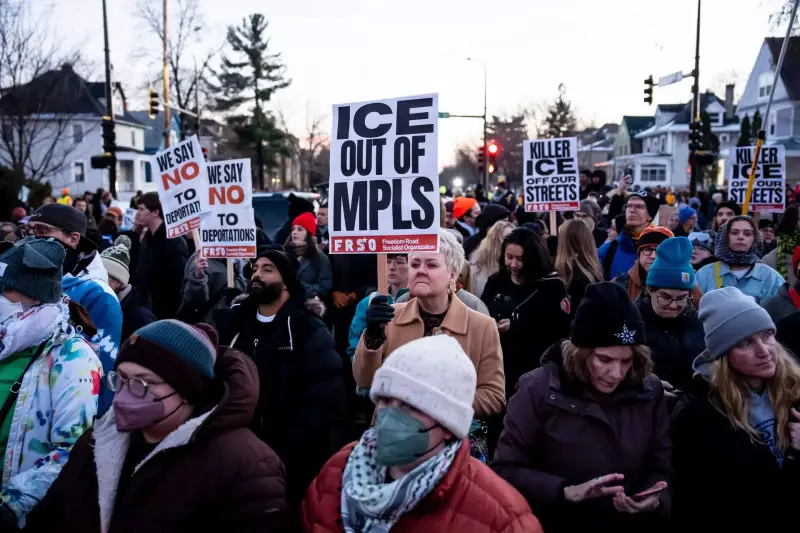
In a significant move highlighting the intersection of federal policy and local education, Minneapolis Public Schools (MPS) has announced an optional remote learning programme for its students. This facility will be available until February 12, 2026, a decision directly prompted by a fatal federal immigration enforcement operation and subsequent clashes near Roosevelt High School.
Safety Concerns Trigger Pandemic-Style Response
The decision followed several school closures across the district earlier in the week. It underscores the profound safety anxieties gripping students, parents, and educators, particularly within immigrant communities. Reports from KFGO News indicate that parents are fearful of encountering federal agents during school drop-offs, while teachers observe heightened fear among students. This climate led the district leadership to reinstate a remote learning option, a measure reminiscent of the pandemic era but now driven by enforcement-related safety worries.
Minneapolis stands out as one of the few large U.S. districts to take this step specifically in reaction to law enforcement activity. Under this model, teachers are expected to conduct lessons simultaneously for students in physical classrooms and those joining from home. Union leaders and administrators, cited by Local10, have called this a necessary measure to preserve educational continuity while prioritising safety.

District officials noted that attendance had been dropping even before the closures, especially among students from immigrant families. Counselors at Roosevelt High School reported a noticeable rise in student anxiety, stress, and classroom disruptions, all linked to the fear of enforcement actions near the school campus.
National Ripple Effects on Education
The impact of federal immigration enforcement is not confined to Minneapolis. School districts across the United States are experiencing indirect but tangible effects. In Chicago, school board members previously requested remote options during periods of heightened federal activity, though the public school system did not ultimately implement them. Meanwhile, some districts in New York State permitted virtual schooling last year for students concerned about enforcement operations.
A clear trend is emerging in areas with significant immigrant populations. The Portland suburb of Hillsboro saw increased enrollment in its online academy as parents sought alternatives to in-person classes. Similarly, immigrant-heavy districts in Los Angeles have recorded declines in both attendance and enrollment. According to Education Week, the mere threat of immigration enforcement near schools is enough to disrupt family routines and educational engagement.
Student Fear and Its Classroom Impact
The emotional toll on students is substantial and widespread. A national survey of educators conducted last autumn revealed that half of all teachers working with immigrant families reported students expressing fear or anxiety related to federal immigration enforcement. Nearly a quarter noted a direct reduction in attendance.
Educators quoted by Education Week describe classrooms where students are visibly distracted or have become unusually quiet, consumed by fear of what might happen outside school walls. This situation illustrates how enforcement policies can have a cascading effect on entire school communities, undermining attendance, student engagement, and mental well-being, even without direct action on school grounds. In response, teachers emphasise the critical need for counselling, comfort, and clear, straightforward communication with families to mitigate this impact.
Community and Policy Responses
Beyond Minneapolis, districts in Minnesota and other states are actively responding. Some superintendents have pledged to restrict federal enforcement access to campuses unless legally mandated, focusing on student privacy and safety. Other districts are enhancing communication with families, organising informational sessions on student rights, and advising parents on how to shield their children from the disruptions caused by enforcement activities. Community organisations have also stepped up, distributing resources and information to worried immigrant families.

The broader policy context involves recent federal changes that rescinded prior guidance discouraging enforcement at "sensitive locations" like schools. The Minnesota Attorney General’s Office reports that this shift has amplified concerns nationwide. Legal and advocacy groups are now urging districts to adopt flexible learning options, clear communication protocols, and protective measures that support all families without singling out any particular group.
The Minneapolis case, while notable for its scale, is not isolated. Districts nationwide are grappling with declining attendance, student anxiety, and daily dilemmas on how to ensure educational access amidst the reality of federal immigration enforcement. Educators and policymakers warn that these disruptions could have lasting consequences for learning continuity, student mental health, and trust in public institutions, especially in communities with large immigrant populations. The experience in Minneapolis highlights a critical challenge: balancing safety, accessibility, and academic continuity as federal policy directly impacts local schools.