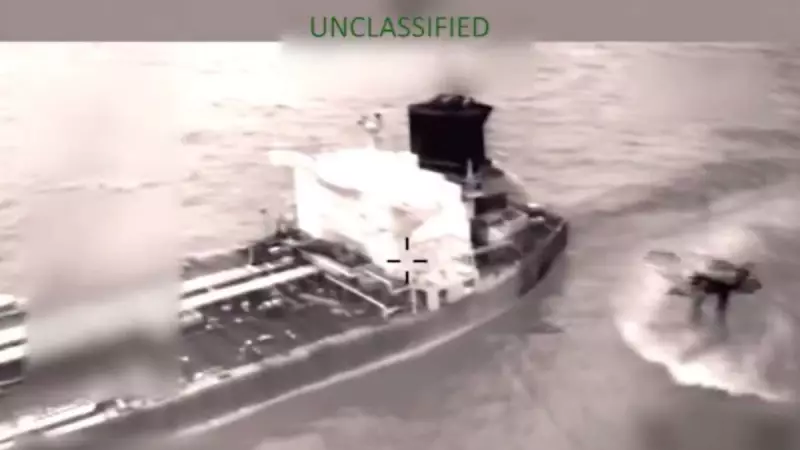
In a significant escalation of its sanctions enforcement regime, the United States has seized another oil tanker, this time in the strategic waters of the Caribbean Sea. The action, confirmed on January 9, 2026, directly targets vessels linked to Venezuela's oil trade, marking a continued hardline approach by Washington.
Details of the Caribbean Sea Seizure
The latest enforcement operation saw US authorities take control of a tanker carrying a cargo of crude oil. While the exact name of the vessel and its specific tonnage were not immediately disclosed in initial reports, the seizure is part of a coordinated effort to curb the maritime trade of Venezuelan oil. This move follows a pattern of similar actions aimed at enforcing a complex web of sanctions against the Nicolas Maduro-led government.
The operation in the Caribbean is particularly notable due to the region's role as a key shipping route for energy resources. The US government has consistently argued that such measures are necessary to pressure the Venezuelan regime towards democratic reforms and to prevent the Maduro administration from profiting from oil revenues that bypass international sanctions.

The Broader Context of Sanctions and Maritime Enforcement
This seizure is not an isolated incident but rather a continuation of a sustained campaign. The United States, along with other nations, has maintained stringent economic sanctions on Venezuela for several years, primarily targeting its crucial oil sector—the lifeblood of the country's economy. The goal has been to deprive the government of its main source of foreign currency.
Maritime seizures have become a critical tool in this strategy. By intercepting tankers suspected of carrying Venezuelan crude or of facilitating sanctions evasion, the US aims to physically disrupt the trade networks that keep the oil flowing. These actions send a strong deterrent message to ship owners, insurers, and captains involved in the trade, raising the operational risks and costs significantly.
The January 9, 2026 seizure underscores the ongoing and active nature of this enforcement, even years after the initial sanctions were imposed. It demonstrates a commitment to closing loopholes and adapting tactics to counter evolving methods of sanctions evasion employed by Caracas and its trading partners.
Implications and Potential Repercussions
The direct consequences of this seizure are multifaceted. Firstly, it represents a tangible financial loss for the entities involved in that specific shipment, including potential losses for the vessel's owners and the intended recipients of the crude oil. Secondly, it contributes to the overall chilling effect on the global shipping industry's willingness to engage with Venezuelan cargo, further isolating the country's energy exports.
For Venezuela, each successful seizure tightens the economic pressure, potentially exacerbating the nation's deep economic crisis. It challenges the government's ability to find reliable buyers and shippers for its oil, forcing it to rely on more clandestine and expensive methods that yield lower profits.
Regionally, such actions in the Caribbean Sea highlight the extensive reach of US maritime authority and its willingness to project power in international waters to achieve foreign policy objectives. It may also strain diplomatic relations with countries that oppose unilateral sanctions and such interception practices.
Looking ahead, this event signals that the US sanctions enforcement apparatus remains vigilant. The maritime domain will likely continue to be a primary battlefield in the economic pressure campaign against Venezuela, with further seizures a distinct possibility as long as the underlying political stalemate persists.