U.S. Forces Seize Second Sanctioned Oil Tanker in Indian Ocean Amid Venezuela Crackdown
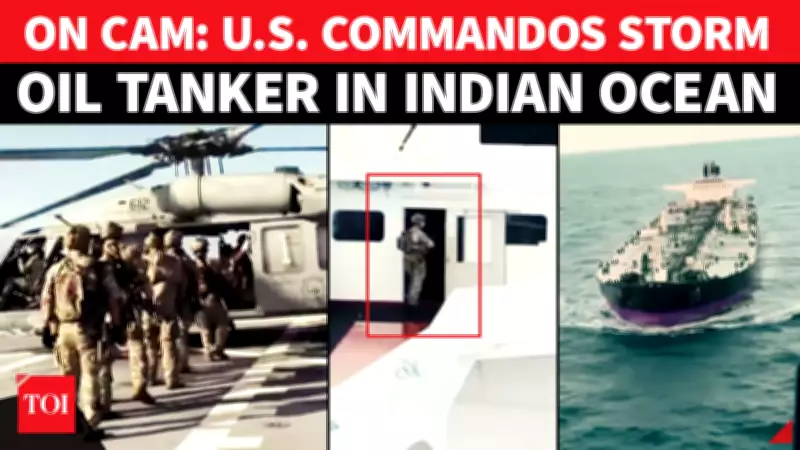
In a significant escalation of global maritime enforcement, U.S. forces have boarded a second sanctioned oil tanker in the Indian Ocean, intensifying President Donald Trump's crackdown on Venezuela's oil exports. The operation, which occurred on February 16, 2026, marks a continued effort by Washington to disrupt the flow of crude from sanctioned Venezuelan networks.
Details of the Maritime Interdiction
The Panamanian-flagged vessel, identified as the Veronica III, was tracked from the Caribbean before being intercepted in international waters. The Pentagon described the action as a "right-of-visit maritime interdiction," a legal maneuver allowing naval forces to board and inspect ships suspected of violating sanctions. Officials confirmed that the tanker was carrying nearly two million barrels of crude oil directly linked to Venezuelan entities under U.S. sanctions.
This seizure is part of a broader blockade strategy that has seen Washington seize at least seven tankers since last year. The operation underscores America's expanding reach in enforcing sanctions, demonstrating a willingness to act far beyond the Western Hemisphere to curb Venezuela's oil revenue.

Broader Implications and Strategic Context
The interception highlights the Trump administration's aggressive stance on Venezuela, aiming to cripple the nation's economy by targeting its primary export. By conducting such operations in the Indian Ocean, U.S. forces are signaling a global commitment to sanction enforcement, potentially affecting international shipping routes and oil markets.
Experts note that this move could have ripple effects on global energy supplies and geopolitical tensions, as it challenges traditional boundaries of maritime jurisdiction. The seizure of the Veronica III follows a pattern of increased U.S. naval activity in key waterways, aimed at preventing sanctioned oil from reaching global markets.
As the situation develops, observers are watching for responses from Venezuela and other nations involved in the oil trade, which could influence future U.S. policy and international relations in the region.