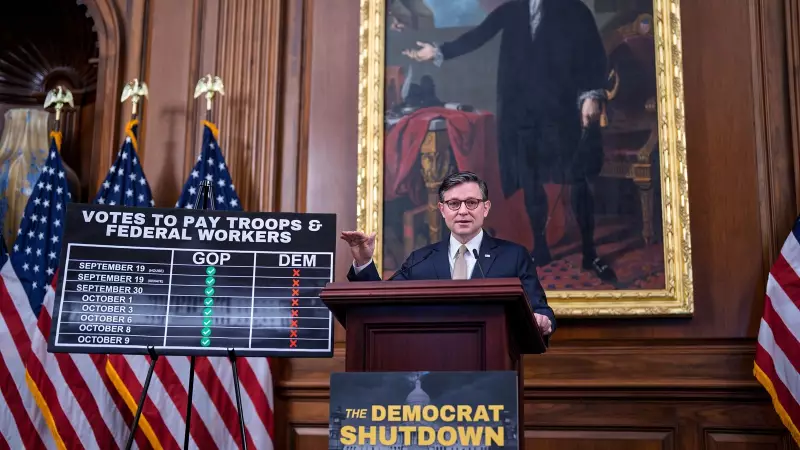
In a significant move to conclude the longest government shutdown in American history, the US Senate has passed a crucial spending bill proposed by the Republicans. This development comes as the government shutdown heads into its third week, causing widespread disruption.
Bipartisan Support and Key Provisions
The legislation saw a vote of 60-40 in its favour, a margin made possible by the support of eight Democrats who crossed party lines. However, the victory was not without its controversies. A major point of contention remains the lack of a Republican guarantee to extend healthcare subsidies under the Affordable Care Act, a demand that Democrats have been pushing for over six weeks.
Despite this, the senators advanced a procedural vote to fund the government until January 30. The approved package includes three full-year appropriations bills. The bill will now proceed to the House of Representatives for passage before being sent to President Donald Trump for his final assent.

What the Spending Bill Includes
Reversal of Mass Firings and Back Pay: A critical component of the bill is the reversal of mass firings of federal workers carried out by the Trump administration since the shutdown began on October 1. Furthermore, the legislation ensures that all federal employees, including essential personnel like members of the military, Border Patrol agents, and air-traffic controllers, will receive their back pay.
Affordable Care Act and December Vote: The impasse over the Affordable Care Act has been a central hurdle. The health subsidies, which assist lower-income Americans in paying for private insurance, are set to expire by the end of the year. While the passed bill does not secure an extension, the GOP has committed to holding a vote on the matter in December.
Bipartisan Funding Agreements: The agreement also encompasses bipartisan bills crafted by the Senate Appropriations Committee. This funding is allocated to vital areas such as food aid, veterans programs, and the legislative branch, ensuring the continued operation of these essential services.
Political Fallout and Next Steps
The decision has angered many within the Democratic caucus, who believe Americans want them to continue the fight for healthcare subsidies. Notably, Senate Democratic leader Chuck Schumer of New York voted against the bill. The focus now shifts to the House of Representatives, where the bill's passage is the next critical step towards ending the protracted government shutdown.