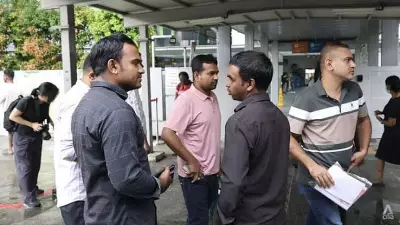
A recent policy shift by the US State Department has sent shockwaves through the Indian diaspora in America, particularly among high-skilled professionals and their families. The new rule mandates that all H-1B visa workers and their H-4 dependants must make their social media accounts public for visa vetting. This move has triggered profound anxiety and uncertainty within the community, which forms the backbone of America's skilled migrant workforce.
From Sarcasm to Scrutiny: The New Layer of Visa Evaluation
Under this freshly implemented policy, US consular officers are now authorized to review an applicant's public posts across platforms like X (formerly Twitter), Instagram, and LinkedIn as part of the visa adjudication process. Immigration lawyers are sounding the alarm, stating that even mundane posts, expressions of political opinion, attempts at satire, or minor inconsistencies in employment history could now trigger intense scrutiny.
This often leads to administrative processing and significant delays. For countless families whose legal residency, livelihood, and children's education are tethered to timely visa stampings and renewals, this uncertainty has quickly spiraled into panic.

A 33-year-old software engineer based in Chicago, currently awaiting his H-1B renewal, shared his distress. "I've spent nine years building a life here and have never posted anything controversial," he said. "Yet now, I'm terrified that an old sarcastic meme or a political comment from years ago could be misread. The fear is constant."
High Stakes for H-4 Spouses and the Threat of Instant Job Loss
The implications are particularly severe for H-4 visa holders, who are predominantly spouses. Many have painstakingly rebuilt careers in the US after long breaks, utilizing Employment Authorization Documents (EADs). Indians constitute a staggering nearly 90% of all H-4 EAD holders.
The situation is exacerbated by a recent change from the US Department of Homeland Security, which ended the automatic 540-day extension for EAD renewals. Now, if a renewed work permit does not arrive before the old one expires, the holder immediately loses authorization to work.
"The additional social media vetting will inevitably prolong processing times," explained Ravi Lothumalla, a Dallas-based immigration consultant. "This increases the risk that EAD approvals won't be completed in time, leading to instant termination. Our estimates suggest this could impact as many as 200,000 H-4 dependants from India."
A 25-year-old H-1B professional in Los Angeles echoed a common sentiment. "We are told to essentially scrub years of our online presence to avoid any misunderstanding," she said. "It feels like a single joke from 2016 could now dictate your future in this country. That's a terrifying way to live."
A Community on Edge Amid a Complex System
This new rule adds a formidable and subjective layer to an already complex immigration system. Indian nationals account for over 70% of all H-1B visa approvals, making them the largest group affected. Immigration attorneys note that the policy amplifies fear among law-abiding applicants, forcing them to retrospectively audit their digital footprints and worry about how every past online interaction might be interpreted.
The overarching sentiment is one of vulnerability. After years of compliance and contribution, many Indian professionals and their families feel their stability is being undermined by a rule that subjects their personal, historical online expression to government examination, with potentially life-altering consequences.