US Military Conducts Lethal Strikes on Drug-Trafficking Vessels in Pacific and Caribbean
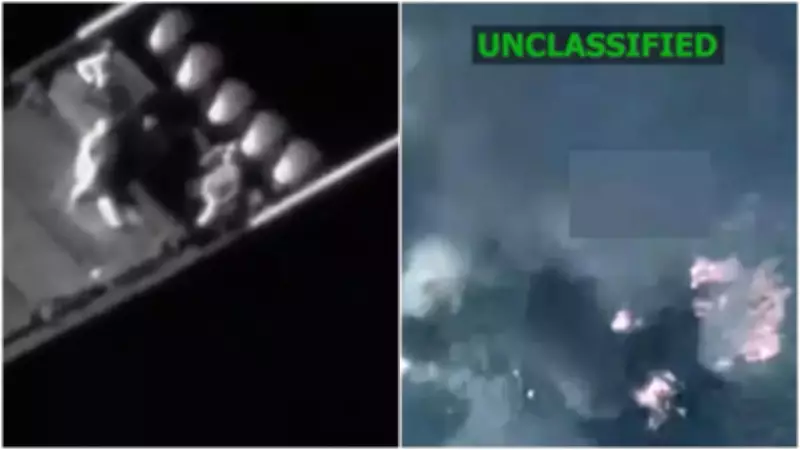
In a significant escalation of its counter-narcotics campaign, the US military executed targeted strikes on three alleged drug-trafficking vessels in the eastern Pacific and Caribbean on Monday night, resulting in the deaths of all 11 individuals on board. According to a statement released by US Southern Command on Tuesday, intelligence confirmed that the vessels were actively engaged in narco-trafficking operations along established smuggling routes.
Details of the Strikes and Casualties
The operation involved three separate engagements: the first strike in the Eastern Pacific eliminated four individuals, the second in the same region killed another four, and the third in the Caribbean resulted in three fatalities. Southern Command emphasized that no US military personnel were harmed during these actions, labeling the deceased as "male narco-terrorists." This incident brings the total death toll from the US campaign, which commenced in September, to at least 135 people, with additional survivors from previous strikes presumed dead.
Legal and Congressional Scrutiny Intensifies
These strikes have reignited intense debate among legal experts and Democratic members of Congress, who argue that the actions may constitute murder of civilians, as the United States is not in a declared, congressionally authorized war with drug cartels. Reports indicate that the Trump administration previously issued a classified legal opinion justifying such lethal measures by classifying at least two dozen cartels and suspected traffickers as enemy combatants.

In a particularly controversial case from last September, the US military allegedly targeted survivors after an initial strike failed to kill everyone on board, leading to accusations of war crimes and prompting congressional investigations. This shift in strategy marks a departure from traditional law enforcement approaches, where countering drug trafficking was handled by agencies like the US Coast Guard, which continues to interdict vessels and seize narcotics without employing lethal force in the eastern Pacific.
Background and Implications
Before the initiation of this aggressive campaign in September, drug smugglers and cartel members were typically treated as criminals with due process rights, managed through legal channels. The recent strikes, including one on Friday in the Caribbean that killed three people, highlight a more militarized response to illicit trafficking. As the death toll rises, questions persist about the legality, ethics, and effectiveness of these operations, with ongoing scrutiny likely to shape future US policy in the region.