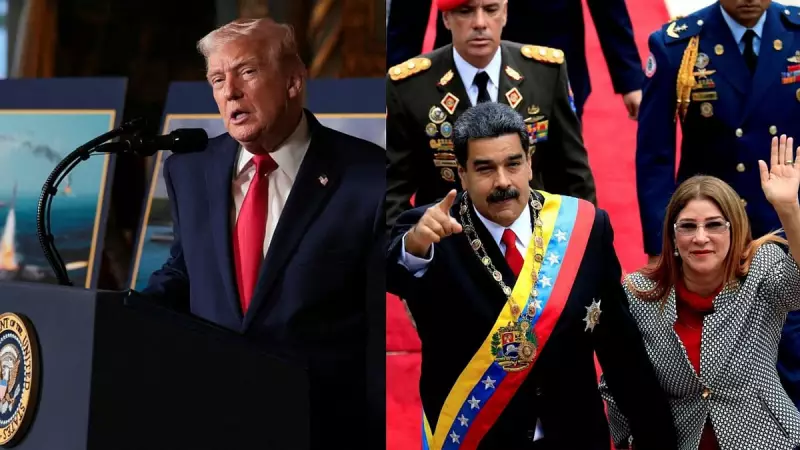
The United States has delivered a significant blow to the government of Nicolas Maduro, reinstating stringent sanctions on Venezuela's crucial oil and gas sector. This decision marks a sharp reversal of a temporary relief granted just six months ago and is set to reshape the geopolitical and economic landscape for the Latin American nation.
The Core Reason: A Failed Democratic Pact
The Biden administration's move is a direct response to what it sees as the Maduro government's failure to uphold its end of a bargain. In October 2023, the US had issued General License 44, temporarily easing sanctions on Venezuela's oil, gas, and gold sectors. This wasn't an act of goodwill but a strategic incentive. The relief was contingent upon Maduro's regime taking concrete steps toward ensuring a free and fair presidential election scheduled for later in 2024.
The key demands included reinstating opposition candidates barred from running and setting a clear, monitored electoral timeline. According to US officials, the Venezuelan government did not fulfill these conditions. Most notably, the country's top court, perceived as aligned with Maduro, upheld a ban on the leading opposition figure, Maria Corina Machado, from holding public office. This was seen as a blatant move to sideline a formidable political challenger.

"They haven't met their commitments," stated a US Treasury Department official, justifying the decision to not renew the license. The message is clear: Washington will not reward backsliding on democratic promises.
Immediate Impact on Venezuela's Oil Industry
The reinstatement of sanctions carries immediate and severe consequences for Venezuela's economic lifeline. The US Treasury Department has given companies a 45-day wind-down period, until May 31, 2024, to halt transactions related to Venezuelan oil and gas. However, a few specific licenses remain intact, allowing energy giant Chevron to continue its joint ventures in the country.
This move effectively slams the brakes on Venezuela's recent, modest oil production recovery. Following the October sanctions relief, the country's oil output had climbed to approximately 900,000 barrels per day (bpd), up from around 700,000 bpd. With the primary sales channel to the US and other international markets now choked again, this growth is expected to stall and likely reverse.
The financial ramifications are dire. Venezuela relies on oil exports for over 90% of its foreign currency earnings. A constricted flow of petrodollars will exacerbate the nation's profound economic crisis, limiting the government's ability to import essential goods, including food and medicine, and potentially worsening the living conditions for its citizens.
Global Ripple Effects and Future Scenarios
While the direct impact on global oil supply is expected to be limited—given Venezuela's relatively small share of the market—the decision sends a strong geopolitical signal. It reaffirms the US's willingness to use economic tools to pressure regimes it considers authoritarian. The action also influences global oil prices indirectly, contributing to market volatility amid existing tensions in the Middle East.
Looking ahead, several scenarios could unfold. The Maduro government, now deprived of a key economic incentive, might harden its stance further, cracking down on dissent and abandoning any pretence of electoral reform. Alternatively, faced with renewed economic pressure, it could return to the negotiating table with the opposition, brokered by international actors.
The Biden administration has left the door slightly ajar for future negotiations. Officials have indicated that the US is prepared to reconsider its position if Maduro's team takes "concrete actions" toward restoring democratic norms. The next few months will be critical in determining whether Venezuela descends deeper into isolation or embarks on a new, uncertain path toward political dialogue.
For the global community, and especially for countries like India that have energy interests worldwide, this development underscores the persistent instability in key oil-producing regions and the complex interplay between energy markets and international diplomacy.