US Supreme Court Delivers Major Blow to Trump's Economic Agenda
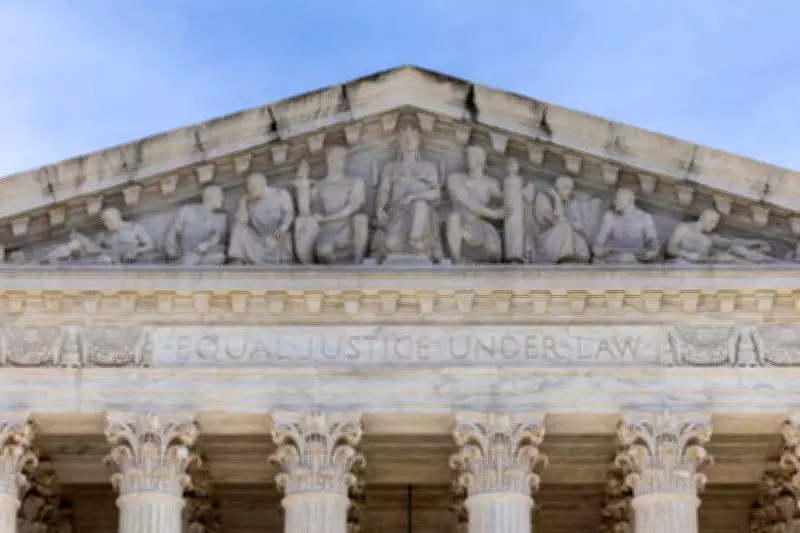
The United States Supreme Court has issued a landmark ruling that upends a central plank of former President Donald Trump's economic agenda. In a decisive move, the court rejected the legality of Trump's global tariffs policy, which was a cornerstone of his "America First" trade strategy. This ruling represents a significant legal setback for the former president's economic legacy and has far-reaching implications for international trade relations.
Details of the Supreme Court Ruling
The Supreme Court's decision specifically targeted the tariffs imposed by the Trump administration on a wide range of imported goods from various countries. These global tariffs were implemented as part of an aggressive trade policy aimed at protecting domestic industries and reducing trade deficits. However, the court found that the executive branch overstepped its authority in imposing these tariffs without proper congressional approval, violating established legal frameworks governing international trade.
The ruling effectively invalidates key components of Trump's tariff regime, which had been a defining feature of his presidency from 2017 to 2021. Legal experts note that this decision reinforces the constitutional balance of power between the executive and legislative branches on matters of trade policy. The court emphasized that while presidents have some discretion in trade matters, sweeping tariff impositions of this scale require explicit congressional authorization.

Impact on Trump's Economic Legacy
This Supreme Court ruling deals a substantial blow to what was once considered a signature achievement of Trump's economic agenda. The global tariffs were promoted as essential tools for revitalizing American manufacturing and challenging what the administration described as unfair trade practices by other nations. By striking down these tariffs, the court has fundamentally altered the legal landscape for future trade policies and raised questions about the durability of executive actions in this domain.
The decision comes at a time when trade policy remains a contentious issue in American politics, with debates continuing about the appropriate balance between protectionism and free trade. Legal analysts suggest this ruling may constrain future presidents seeking to implement similar broad-based tariff measures without clear legislative backing.
Reactions and Broader Implications
Reactions to the Supreme Court's decision have been predictably polarized along political lines. Supporters of the ruling argue that it upholds constitutional principles and prevents executive overreach in economic policy. Critics, particularly those aligned with Trump's economic nationalism, contend that the decision undermines America's ability to negotiate from a position of strength in global trade discussions.
The broader implications of this ruling extend beyond domestic politics to affect:
- International trade relationships that were strained under the tariff regime
- Future presidential authority in trade policy matters
- Legal precedents regarding executive power in economic affairs
- The ongoing debate about America's role in the global economy
This Supreme Court decision marks a pivotal moment in the ongoing legal examination of Trump-era policies and establishes important boundaries for presidential power in shaping economic policy through trade measures.