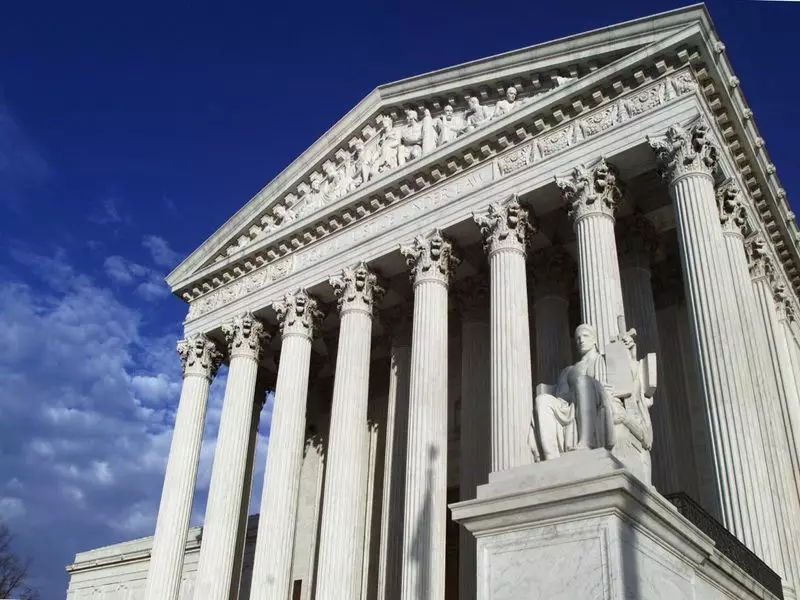
The United States Supreme Court has agreed to hear a pivotal case that will determine the constitutionality of a controversial executive order issued by former President Donald Trump. The order aimed to effectively end the long-standing practice of birthright citizenship for children born in the US to non-citizen parents.
The Core Constitutional Challenge
At the heart of the legal battle is the interpretation of the 14th Amendment to the US Constitution. Ratified in 1868, its Citizenship Clause states: "All persons born or naturalized in the United States, and subject to the jurisdiction thereof, are citizens of the United States and of the State wherein they reside." For over a century, this has been understood to grant citizenship automatically to anyone born on US soil, with narrow exceptions for children of foreign diplomats and occupying enemy forces.
Former President Trump's executive action sought to reinterpret the phrase "subject to the jurisdiction thereof." The order directed federal agencies to treat children born to non-citizens, particularly undocumented immigrants, as not being under US jurisdiction, thereby making them ineligible for automatic citizenship. This move was immediately challenged in lower courts, which issued injunctions blocking its implementation, leading to the current appeal before the nation's highest court.

Legal Pathways and Potential Ramifications
The Supreme Court's decision to take up the case sets the stage for one of the most significant rulings on citizenship in decades. Legal experts are divided on the potential outcome. Proponents of the order argue it is a lawful exercise of presidential authority to clarify congressional intent and address immigration concerns. Opponents, including numerous constitutional scholars, contend that an executive order cannot override a clear constitutional mandate and that any change must come through a constitutional amendment, a process requiring a two-thirds majority in Congress and ratification by three-fourths of states.
The ramifications of a ruling in favor of the former president's order would be profound. It could create a two-tier system of birth citizenship and potentially affect hundreds of thousands of children born in the US each year. The decision is also being closely watched for its impact on the scope of presidential power versus congressional authority on immigration matters.
A Global Perspective on Citizenship Norms
While the United States and Canada are among the few developed nations with unconditional birthright citizenship, most countries worldwide follow jus sanguinis (right of blood) principles, where citizenship is determined by that of one's parents. A shift in the US position could signal a major realignment in global immigration and citizenship policies. The Supreme Court's ruling, expected in its next term, will not only settle a heated domestic legal dispute but will also redefine a fundamental aspect of American identity and its constitutional legacy.
The case underscores the enduring political and legal debates surrounding immigration in the United States. The Supreme Court's final judgment will have lasting consequences for the interpretation of the 14th Amendment and the very definition of what it means to be an American citizen by birth.