In a significant clarification regarding United States policy towards Venezuela, prominent Republican Senator Marco Rubio has stated that the US has no intention of governing the South American nation. However, he confirmed that Washington is moving decisively to impose a stringent oil quarantine on the country led by President Nicolas Maduro.
Rubio's Firm Stance on US Intentions
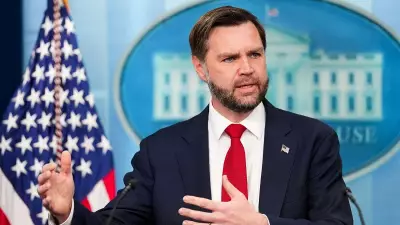
Senator Marco Rubio, a key figure shaping US foreign policy in Latin America, took to social media platform X (formerly Twitter) to set the record straight. His comments came amidst swirling speculation and reports about potential US actions following Venezuela's recent political maneuvers. Rubio explicitly denied any American ambition to take over Venezuela's administration.
"The United States will not govern Venezuela," Rubio asserted, putting to rest one layer of uncertainty. However, he immediately followed this with a declaration of concrete economic action. "But we will impose an oil quarantine," he stated, signaling a major escalation in the pressure campaign against the Maduro government. This move is directly linked to what the US and its allies deem as anti-democratic actions by Caracas, including the disqualification of opposition candidate Maria Corina Machado from the presidential race.

The Mechanics of the Proposed Oil Quarantine
An oil quarantine represents a severe form of sanctions aimed at crippling a nation's primary revenue source. For Venezuela, a country whose economy is overwhelmingly dependent on petroleum exports, such a measure could have devastating consequences. The strategy involves preventing Venezuela from freely selling its oil on the international market.
This is not the first time the US has targeted Venezuela's oil sector. Previous sanctions have been eased and reinstated based on political conditions. The reimposition of a full quarantine suggests the Biden administration has lost patience with the Maduro government's failure to uphold electoral guarantees agreed upon in negotiations. The core US demand remains the reinstatement of Machado and other opposition figures, ensuring a free and fair presidential election later in 2024.
The immediate impact will likely be a sharp decline in Venezuelan oil shipments, which had recently seen a modest recovery. This will hit government coffers hard, potentially exacerbating the existing humanitarian and economic crisis within the country. Global oil markets may also feel a ripple effect, though other producers are expected to fill the gap.
Regional and Global Repercussions
The announcement of an impending oil quarantine marks a critical juncture in US-Venezuela relations. It signifies a return to a maximum pressure campaign after a brief period of diplomatic engagement and temporary sanctions relief. The move is closely watched by regional partners and global actors with interests in Venezuela's vast oil reserves.
For the people of Venezuela, this external pressure adds another layer of complexity to their daily struggle. While the US aims the sanctions at the ruling elite, history shows that such comprehensive economic measures often deepen the suffering of the general population. The Maduro government, meanwhile, is likely to rally nationalist sentiment, framing the quarantine as another act of imperialist aggression aimed at controlling Venezuela's resources.
The international community remains divided. While the US, the United Kingdom, and other allies may support the quarantine, other nations have consistently criticized unilateral coercive measures. The success of this policy in achieving its stated goal of democratic restoration is uncertain, setting the stage for a prolonged period of tension and instability in the hemisphere.
In conclusion, Senator Rubio's statement draws a clear line: the United States is not seeking to install its own government in Caracas but is unequivocally committed to using its economic might to force political change. The coming weeks will reveal how effectively the oil quarantine is implemented and how the Venezuelan state and its people respond to this renewed onslaught.