US Issues Urgent Travel Advisory for Citizens in Iran
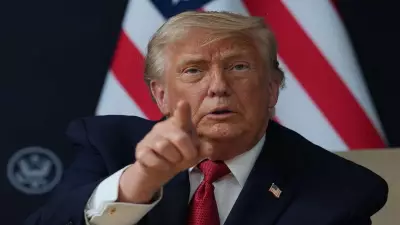
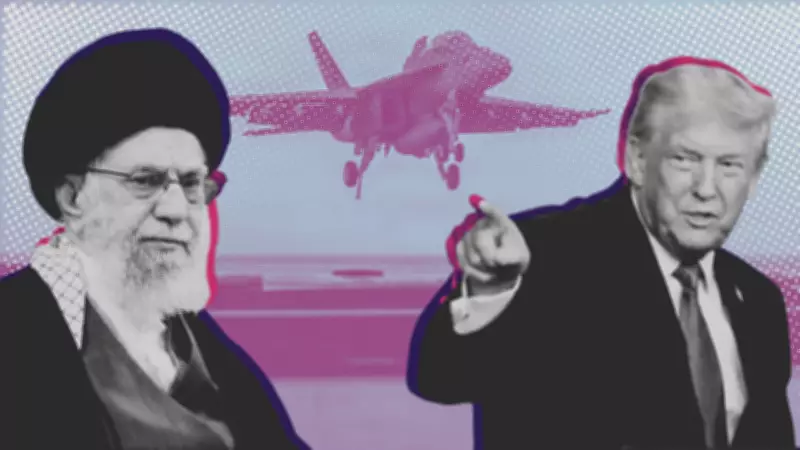
The United States government has issued an exceptionally urgent advisory, instructing all American citizens currently in Iran to leave the country immediately. This critical warning comes just hours after US President Donald Trump delivered a fresh and direct warning to Iran's supreme leader, Ayatollah Ali Khamenei, heightening concerns about escalating regional tensions.
Timing Amid Regional Unrest and Diplomatic Efforts
The advisory emerges at a particularly volatile moment, as Iran continues to recover from massive protests that recently shook Tehran. These internal challenges compound existing worries about the deteriorating security situation in the region. The warning coincides with planned diplomatic talks between the United States and Iran, scheduled to take place in Oman.
President Trump emphasized the seriousness of the situation, stating that Iran "should be very worried" about potential US military action. He specifically referenced the movement of a substantial US naval fleet, described as an "armada," toward the Middle East, reinforcing threats of possible armed conflict.

Details of the Urgent US Advisory
The US advisory, notable for its unusually urgent tone, provides specific guidance for American citizens:
- Depart Iran immediately using commercial transportation options
- Prepare for potential flight disruptions and limited availability
- For those unable to leave immediately, seek secure shelter
- Stock up on essential supplies including food, water, and medications
Upcoming US-Iran Talks in Oman
Despite the heightened tensions, diplomatic channels remain open. The United States and Iran are scheduled to hold crucial talks in Muscat, Oman, focusing primarily on Tehran's nuclear program and other contentious issues dividing the two nations.
Both sides confirmed the talks late Wednesday, with the meeting set for Friday. The US delegation will be led by President Trump's Middle East envoy Steve Witkoff, while Iranian Foreign Minister Abbas Araghchi will head Iran's delegation. Oman continues its traditional role as mediator between these long-time adversaries.
President Trump commented on the negotiations, stating, "They're negotiating... They don't want us to hit them, we have a big fleet going there." His remarks underscore the delicate balance between diplomatic efforts and military posturing.
Iran's Diplomatic and Military Posture
Iran's foreign ministry emphasized its commitment to diplomatic solutions, stating it has a "responsibility not to miss any opportunity to use diplomacy" to preserve peace. The ministry expressed hope that Washington would participate in the talks "with responsibility, realism and seriousness."
Simultaneously, Iran has demonstrated increased military preparedness. Senior commanders have highlighted significant missile upgrades and a strategic shift in military doctrine. Chief of staff of the Iranian armed forces, Abdolrahim Mousavi, announced during a visit to an IRGC missile facility that Iran has strengthened its deterrence power through ballistic missile upgrades in all technical dimensions.
Mousavi revealed a fundamental change in military strategy, stating, "Following the 12-day war, we have changed our military doctrine from defensive to offensive by adopting the policy of asymmetric warfare and [boosting readiness for a] crushing response to the enemies."
US Administration's Position and Regional Concerns
US Vice President JD Vance clarified the administration's approach, stating that military options remain on the table while diplomatic efforts continue. "He is going to talk to everybody, he is going to try to accomplish what he can through non-military means, and if he feels like the military is the only option, then he is ultimately going to choose that," Vance explained.
The diplomatic push follows weeks of escalating rhetoric between Washington and Tehran, with President Trump repeatedly warning that unless Iran agrees to a deal on its nuclear program, "bad things" could happen. Reports indicate Iran has conditionally agreed to hold talks with the US specifically to avert the threat of further military strikes.

Nuclear Program Concerns and Regional Security
Iran continues to insist its nuclear program is peaceful, despite increasingly threatening statements about pursuing nuclear weapons. Currently, Iran enriches uranium to near weapons-grade levels of 60 percent, making it the only country in the world without a nuclear weapons program to reach this threshold.
The US-based Institute for the Study of War noted, "Iran continues to show inflexibility toward addressing US demands, which reduces the likelihood that Iran and the United States will be able to reach a diplomatic solution."
Iranian officials have issued clear warnings about potential retaliation if attacked. Army spokesman General Mohammad Akraminia stated, "We are ready to defend, and it is the US president who must choose between compromise or war," adding that Iran has "easy" access to US regional bases.
The situation remains fluid as both nations prepare for crucial talks while maintaining military readiness, creating a tense atmosphere that has prompted the urgent US travel advisory for its citizens in Iran.