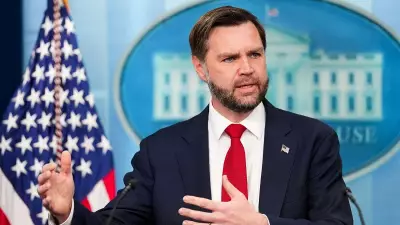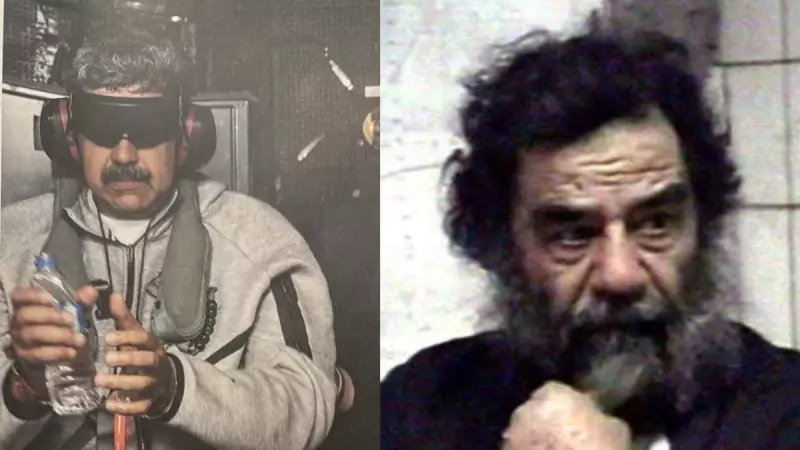
The United States has laid out a controversial roadmap for Venezuela's political future, announcing its intent to help manage the country's affairs until a "safe transition" of power is achieved. This bold statement, drawing immediate parallels to historical interventions, has sparked global debate on sovereignty and foreign policy.
The US Blueprint for Venezuela
According to recent statements from US officials, the plan involves establishing a framework to oversee Venezuela's governance. The stated goal is to ensure stability and guide the nation away from the rule of President Nicolás Maduro, whom the US and dozens of other countries no longer recognize as legitimate. The US has not detailed a specific military plan but has emphasized a comprehensive approach involving political and economic pressure to facilitate change.
The US has consistently supported opposition leader Juan Guaidó, recognizing him as Venezuela's interim president since 2019. This new announcement signals a potential escalation in that strategy, moving from recognition to a more hands-on role in shaping the country's administrative transition. The move comes amid a prolonged economic and humanitarian crisis in Venezuela that has forced millions to flee.

A Historical Precedent: The US Occupation of Haiti
This is not the first time the United States has taken direct control of a sovereign nation in the Western Hemisphere. A powerful historical parallel exists in the US occupation of Haiti, which lasted from 1915 to 1934.
The intervention began under President Woodrow Wilson, ostensibly to restore order after the assassination of Haitian President Jean Vilbrun Guillaume Sam. The US Marines landed and quickly took control of key institutions. The occupation was justified on grounds of stabilizing the country and protecting American business interests, but it was met with fierce Haitian resistance.
During this nearly two-decade period:
- The US rewrote the Haitian constitution, a move that allowed foreign land ownership, which had been prohibited.
- They installed a puppet government and controlled Haiti's finances through a US-appointed financial advisor.
- A forced labor system, known as the "corvée," was implemented for infrastructure projects, leading to widespread resentment.
- The US military engaged in brutal suppression of Haitian rebels, resulting in thousands of deaths.
The legacy of the occupation is complex, leaving behind improved infrastructure but also deep-seated wounds of national humiliation and a disrupted political trajectory. It remains a dark chapter in US-Latin American relations and is frequently cited as an example of American imperialism.
Implications and Global Reactions
The invocation of this historical precedent in discussions about Venezuela is deliberate and loaded with meaning. Critics of the US plan for Venezuela argue that it represents a return to a discredited model of gunboat diplomacy and neo-colonialism. They warn that direct external control, even with stated good intentions, often leads to unintended consequences, prolonged instability, and anti-American sentiment.
Supporters, however, contend that the situation in Venezuela is a unique humanitarian disaster requiring extraordinary measures. They argue that the Maduro regime's collapse has created a power vacuum that risks further chaos, and that responsible international stewardship is necessary to prevent a failed state.
The announcement has been met with sharp condemnation from allies of the Maduro government, including Russia, China, and Cuba, who have denounced it as a violation of international law. Within Latin America, reactions are mixed, with some nations supporting a transition and others expressing alarm at the prospect of US administration.
The key question now is how this plan will be operationalized. Will it focus primarily on economic and diplomatic channels, or does it leave the door open for more direct forms of intervention? The shadow of Haiti's past serves as a cautionary tale about the long-term difficulties and moral costs of one nation attempting to forcibly rebuild another.

As the world watches, the proposed safe transition in Venezuela is set against a backdrop of a century-old history, reminding all parties that the path of foreign-controlled nation-building is fraught with immense challenges and lasting repercussions.