US Government Warns Haitian Politicians Against Destabilizing the Nation
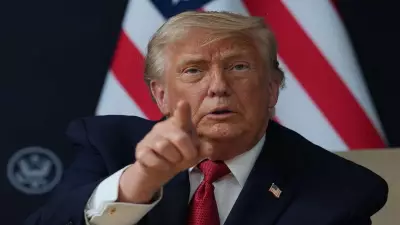
The United States government has delivered a stern and unequivocal warning to political actors in Haiti, emphasizing that it will not hesitate to take firm action if their activities contribute to further destabilizing the Caribbean nation. This announcement comes at a critical juncture, as Haiti grapples with severe political, economic, and security crises that have plunged the country into chaos and humanitarian distress.
Escalating Tensions and International Concerns
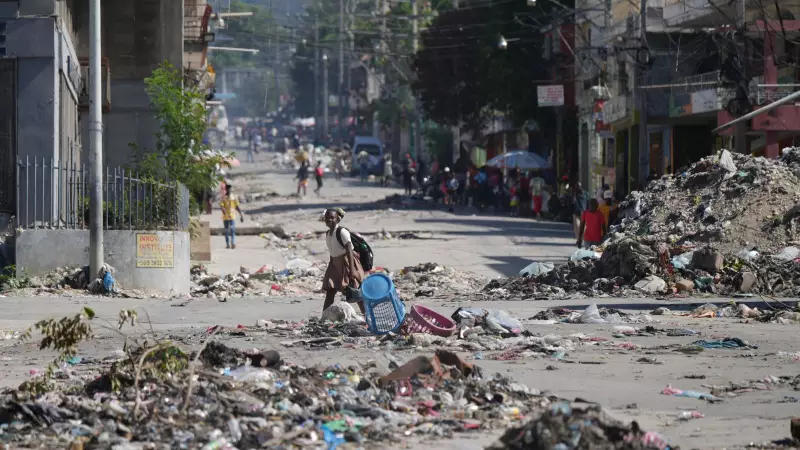
Haiti has been mired in a prolonged state of instability, characterized by rampant gang violence, political deadlock, and a collapsing economy. The situation has deteriorated to such an extent that it poses significant risks not only to the Haitian population but also to regional stability in the Caribbean. In response, the US government has stepped up its diplomatic efforts, making it clear that it views any attempts by Haitian politicians to exacerbate the turmoil as unacceptable.
The warning underscores the Biden administration's commitment to preventing further deterioration in Haiti, a nation that has long struggled with governance issues and external interventions. US officials have expressed deep concern over the potential for political maneuvers to fuel violence or undermine fragile institutions, which could lead to even greater suffering for the Haitian people.

Potential Consequences and US Policy Stance
While the specific actions the US might take were not detailed in the warning, analysts suggest they could include a range of measures designed to pressure non-compliant politicians. These might involve targeted sanctions, travel bans, asset freezes, or diplomatic isolation, all aimed at deterring behaviors that threaten Haiti's stability. The US has historically employed such tools in other contexts to influence political outcomes and uphold international norms.
The move reflects a broader US foreign policy approach in the Western Hemisphere, where Washington often seeks to promote democracy and security. In Haiti's case, the US has been a key player in international aid and peacekeeping efforts, but recent events have prompted a more assertive stance. By issuing this warning, the US aims to signal its readiness to intervene if necessary, while also encouraging Haitian leaders to prioritize dialogue and peaceful resolution of conflicts.
Broader Implications for Haiti and the Region
The warning has significant implications for Haiti's political landscape, as it puts politicians on notice that their actions are being closely monitored by a major global power. This could influence internal dynamics, potentially discouraging divisive tactics and fostering cooperation among rival factions. However, it also raises questions about sovereignty and external influence, topics that are sensitive in Haiti given its history of foreign intervention.
From a regional perspective, the US stance highlights the interconnectedness of security issues in the Caribbean. Instability in Haiti can have spillover effects, such as increased migration flows or cross-border crime, which concern neighboring countries and international partners. The warning serves as a reminder that the international community, led by the US, is prepared to act to mitigate these risks.
In summary, the US government's warning to Haitian politicians marks a pivotal moment in the ongoing crisis. It emphasizes the urgency of stabilizing Haiti and the consequences for those who might seek to profit from its turmoil. As the situation evolves, the world will be watching to see how Haitian leaders respond and whether US actions will help steer the nation toward a more peaceful and prosperous future.