A senior advisor to former US President Donald Trump has openly suggested that military force remains an option for the United States if it decides to seize control of Greenland, an autonomous Danish territory. This provocative statement has ignited a serious diplomatic confrontation and raised alarming questions about the future of the NATO alliance.
White House Aide's Stark Warning on Greenland
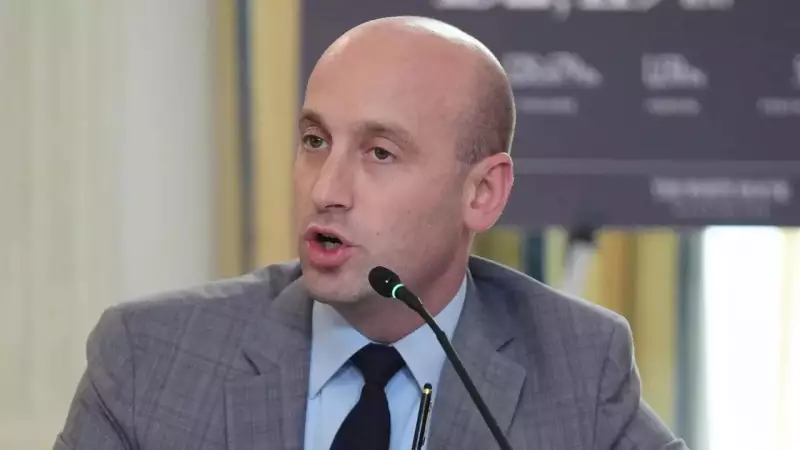
On Monday, Stephen Miller, a top adviser to Donald Trump, made headlines by refusing to dismiss the potential use of military power to bring Greenland under American control. Miller controversially labeled Greenland as "a colony of Denmark" and boldly asserted, "Nobody is gonna fight the US militarily over the future of Greenland." He further argued, "Greenland should be part of the US. By what right does Denmark assert control over Greenland? The US is the power of NATO."
These comments directly follow Trump's own remarks to journalists on Sunday, where he stated, "We need Greenland," framing control of the Arctic island as critical for Washington's national security. The former president, often called the MAGA chief, expressed concerns about the island being surrounded by "Chinese and Russian ships" and reaffirmed his past interest in purchasing the territory, not ruling out military action to achieve that goal.

Denmark and Greenland Respond with Firm Rejection
The aggressive American stance prompted immediate and stern warnings from Denmark’s leadership. Prime Minister Mette Frederiksen cautioned that a US military move against Greenland would fundamentally shatter the North Atlantic Treaty Organization (NATO). She stated, "If the United States decides to military attack another NATO country, then everything would stop — that includes NATO and therefore post-World War II security." Frederiksen warned that such an action could unravel decades of carefully built international cooperation and security agreements.
From Greenland itself, Premier Jens-Frederik Nielsen called for calm and diplomacy. He urged both Denmark and the US to engage through proper channels, telling the public, "The situation is not such that the United States can conquer Greenland. That is not the case. Therefore, we must not panic." He emphasized the need to restore good cooperation. On social media, Nielsen explicitly asked Trump to abandon "fantasies of annexing Greenland" and insisted that any discussions must fully respect international law.
Strategic Stakes and Global Implications
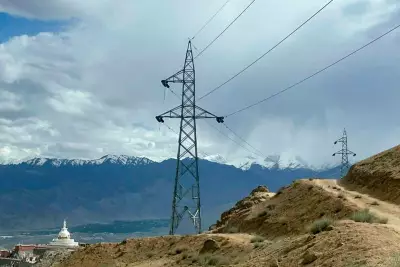
The renewed American focus on Greenland is driven by its immense strategic and economic value. The island already hosts a critical US military base, Thule Air Base, and is believed to be rich in oil, rare minerals, and other natural resources. Furthermore, climate change is rapidly melting Arctic ice, which could open new shipping routes, making Greenland's location even more strategically vital. Notably, Copenhagen had previously shown willingness to host more US troops on the island, highlighting the sudden shift in tone.
This incident occurs in a tense global context, shortly after a controversial US operation targeting Venezuelan President Nicolás Maduro, which had already raised significant concerns about the administration's adherence to international legal norms. The combined effect of these events paints a picture of a foreign policy approach that is willing to challenge established international frameworks, causing unease among allies and reshaping global diplomatic calculations.