

Deadly Winter Storm Ravages United States, Claiming Lives and Crippling Infrastructure
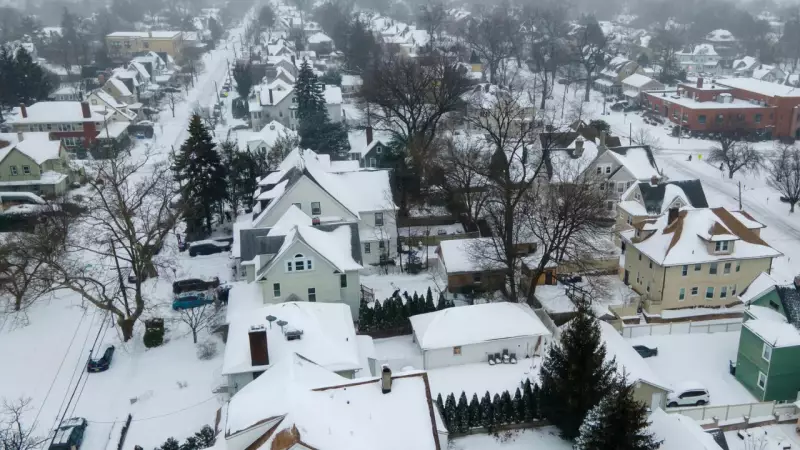
A massive and destructive winter storm has swept across large parts of the United States, leaving a trail of devastation that includes at least 30 confirmed fatalities, widespread power outages affecting hundreds of thousands of homes, and severely paralyzed transport networks. From the Deep South to the Northeast, communities are grappling with unprecedented snowfall, dangerous ice accumulation, and life-threatening cold temperatures that forecasters warn are far from over.
Rising Death Toll Amid Extreme Cold Conditions
Fatalities linked to the severe winter storm have been reported across multiple states, reflecting the wide range of hazards created by the extreme weather. According to reports from Associated Press, at least 30 people have lost their lives due to various storm-related incidents. Authorities confirmed that two individuals were struck and killed by snowplows in Massachusetts and Ohio, while teenagers died in sledding accidents in Arkansas and Texas.
In New York City, eight people were found dead outdoors during the frigid weekend, though officials noted that investigations are ongoing to determine exact causes of death and whether the victims were homeless. Kansas witnessed the tragic discovery of a 28-year-old teacher's body in the snow after she left a bar without her coat or phone.

New York City Mayor Zohran Mamdani stated that some of those who died had prior "interactions with the shelter system," though specific details were not provided. As temperatures remain below freezing, the city has intensified efforts to move vulnerable people indoors.
"Just because the storm has passed does not mean that the danger to homeless New Yorkers has passed," Mamdani emphasized on Monday. "Outreach teams are only intensifying their efforts today to connect vulnerable New Yorkers to shelter."
Between Friday evening and Monday afternoon, eight people were found dead outside or later died in hospital, according to officials. Outreach workers have been deployed across the city, targeting individuals recently discharged from hospitals or jails, those between housing arrangements, and people struggling with mental illness or wary of shelters.
Andrew Chappotin, 41, who had been sleeping outdoors in Manhattan, described the brutal conditions. "I've been close to freezing to death, I'm pretty sure," said Chappotin, who also advocates for homeless people with the Safety Net Activists at the Urban Justice Center. "It freezes you to where your brain stops working," he added, as quoted by NYT.
The city has opened 10 additional drop-in warming centers at schools, and more than 200 people were brought into shelters from the streets as of Monday, according to City Hall. Officials indicated they could bring people indoors involuntarily if they were in imminent danger.
"An individual who is not appropriately dressed, who is wet, who is unable to acknowledge" that there are real dangers — those are the people the city would take to the hospital, explained Molly Wasow Park, the commissioner of the Department of Social Services, during a news conference on Monday.
Southern States Reel from Rare and Crippling Ice Storm
While snow blanketed much of the country, parts of the South endured a destructive ice storm that officials described as among the worst in decades. Mississippi faced its most severe ice event since 1994, with Governor Tate Reeves reporting extensive damage to homes, businesses, and roads. Fallen trees and power lines made many streets impassable, creating hazardous conditions for residents.
In Oxford, Mayor Robyn Tannehill described the scene as devastating, noting that "it looks like a tornado went down every street." Ice-coated oaks and magnolias sagged under the weight, with many crashing onto houses, cars, and utility lines, leaving residents stranded in freezing homes without power or means to reach shelters.
"We will get through this, but we're not going to get through it today," Reeves stated on Monday. "And we're not going to get through it tomorrow. This is going to take time."

Nashville, Tennessee, was also severely impacted. Ice coated trees and power lines, and uprooted trunks lay scattered across neighborhoods. Nashville Electric Service reported that up to 230,000 customers lost power at the peak of the storm, marking the largest number of simultaneous outages in the utility's history.
Residents scrambled to cope with the unprecedented conditions. Real estate agent Tim Phillips in Oxford remarked, "It's just one of those things that you try to prepare for, but this one was just unreal," after his property was damaged by falling branches.
In Nashville, Alex Murray checked into a hotel to protect a supply of breast milk for his infant daughter. "I know there's many people that may not be able to find a place or pay for a place or anything like that, or travel. So, we were really fortunate," he said.
Tragic Plane Crash Claims Seven Lives
Amid the winter weather battering parts of the United States, at least seven people were killed and one crew member was seriously injured when a private business jet crashed during takeoff at Bangor International Airport in Maine on Sunday night. The Bombardier Challenger 600, carrying eight people, overturned and caught fire shortly after attempting to depart at about 7:45 pm local time.
The Federal Aviation Administration confirmed that the injured crew member was taken to hospital. The crash occurred amid powerful snowstorms that have disrupted air and road travel across the country, adding to the growing list of storm-related tragedies.
Widespread Travel Chaos and Continued Cold Ahead
The storm's reach extended from New Mexico to Maine, with some areas north of Pittsburgh receiving up to 20 inches of snow. New York City recorded its snowiest day in years, with neighborhood totals ranging from 8 to 15 inches. Air travel disruptions were widespread, with more than 12,000 flights delayed or cancelled on Monday alone.
On Sunday, 45 percent of flights in the US were cancelled, marking the highest cancellation rate since the start of the Covid pandemic, according to aviation analytics firm Cirium. Despite the system moving northeast, forecasters warned that conditions would remain dangerous.
A fresh Arctic air mass is expected to keep temperatures well below freezing across many affected areas, raising concerns about prolonged power outages, icy roads, and continued risk for people without adequate shelter. Officials cautioned that relief will be slow, with some communities likely to face days of recovery before normal services are restored.
The sprawling weather system dumped more than a foot of snow across a wide corridor from Arkansas to New England, while ice storms in the South caused damage more commonly associated with hurricanes. By Monday evening, more than 560,000 homes remained without electricity, with the heaviest outages concentrated in southern states unaccustomed to prolonged winter extremes.
Air travel was thrown into chaos, schools shut down, and major roads became treacherous as wind chills in some areas plunged to minus 25 degrees Fahrenheit. The combination of extreme cold, heavy precipitation, and infrastructure damage has created one of the most challenging winter weather events in recent memory for the United States.





