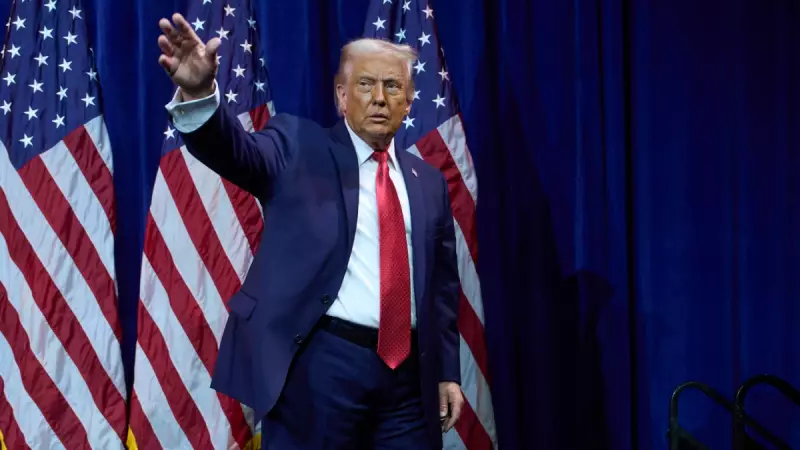
In a sweeping move that has sent shockwaves through the global diplomatic community, the administration of former President Donald Trump has formally withdrawn the United States from 66 international organizations and treaties. This unprecedented step, a cornerstone of the "America First" policy, includes several bodies linked to the United Nations and represents a significant recalibration of Washington's role on the world stage.
The Scope of the Withdrawal: A Detailed Breakdown
The exits, which were finalized and announced on January 8, 2026, span a wide array of multilateral agreements. The list is not limited to minor forums but includes significant UN-affiliated agencies and other crucial international bodies. While the full, detailed list was published by the State Department, the action underscores a deliberate pivot away from traditional multilateral engagement that defined much of the post-World War II order.
This strategic disengagement was a key promise of the Trump presidency, arguing that many international commitments were unfair to American interests and taxpayers. The administration consistently maintained that these organizations often worked against US strategic and economic priorities, necessitating a pullback to reassess terms of engagement.

Key Organizations and Global Reactions
Among the 66 exits are several high-profile United Nations agencies and programs. While the original source provides the complete catalog, the move has inevitably impacted bodies dealing with issues from cultural heritage and scientific cooperation to human rights and development aid. The decision has been met with a mix of concern and criticism from long-standing allies in Europe and Asia, who view the US retreat as creating a vacuum in global governance.
Proponents of the policy, however, have hailed it as a necessary corrective to what they see as bloated and ineffective international bureaucracies. They argue that the step forces these bodies to reform and allows the US to redirect resources toward domestic priorities. The "America First" doctrine explicitly prioritizes bilateral deals over multilateral entanglements, a philosophy that guided this mass withdrawal.
Implications for Global Diplomacy and the Future
The long-term consequences of this large-scale withdrawal are profound. Firstly, it challenges the existing framework of international cooperation, potentially weakening the collective response to global challenges like climate change, public health crises, and nuclear non-proliferation. Secondly, it opens doors for other major powers, such as China and Russia, to increase their influence within these abandoned forums, reshaping the global balance of power.
For the United States itself, the move represents a historic shift. While saving on membership dues and contributions in the short term, it risks diminishing American soft power and its ability to set the agenda on worldwide issues. The policy also creates a complex legacy for any future administration seeking to re-engage with these international organizations, as re-entry may come with new conditions or diminished standing.
In conclusion, the withdrawal from 66 international organizations marks a definitive chapter in US foreign policy. It is a tangible manifestation of the Trump-era "America First" vision, with repercussions that will be analyzed and felt by diplomats and policymakers for years to come. The world now watches to see how the architecture of international relations adapts to this new reality without its traditional anchor.