USS Tripoli Deploys to West Asia with 3500 Personnel, Third US Carrier in Region
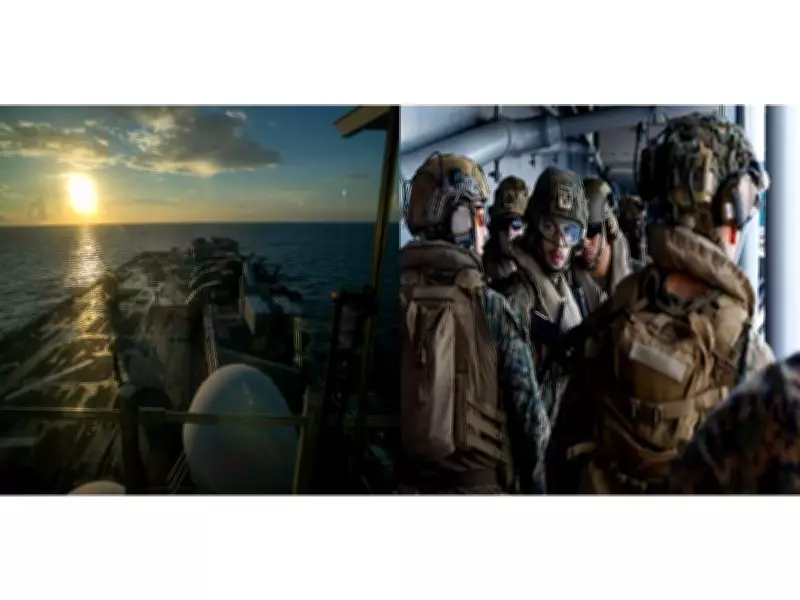
The USS Tripoli, a formidable amphibious assault ship of the United States Navy, has officially entered the West Asia combat theatre, bolstering American military presence with a deployment of approximately 3500 personnel. This strategic move positions the Tripoli as the third US Navy nuclear-powered aircraft carrier to sail into the region in recent times, signaling a significant escalation in naval assets amid ongoing geopolitical tensions.
Enhanced Naval Power in a Volatile Region
The arrival of the USS Tripoli underscores the United States' commitment to maintaining a robust military footprint in West Asia, an area characterized by complex security challenges and regional instability. With its advanced capabilities, including the capacity to support air operations and amphibious assaults, the ship adds a critical layer of deterrence and operational flexibility. The deployment of 3500 personnel, comprising marines, sailors, and support staff, enhances the US's ability to conduct a wide range of missions, from humanitarian assistance to combat operations, as needed.
Context of Multiple Carrier Deployments
This deployment marks a notable increase in US naval power in West Asia, with the Tripoli joining two other nuclear-powered aircraft carriers already stationed in the region. Such a concentration of carrier strike groups is relatively rare and often indicative of heightened military readiness or response to specific threats. Analysts suggest that this move could be aimed at countering adversarial influences, ensuring freedom of navigation in key waterways, or providing a show of force to allies and adversaries alike.

The presence of multiple carriers enables the US Navy to project power across vast distances, conduct sustained operations, and respond swiftly to emerging crises. The Tripoli's amphibious capabilities further complement this by allowing for rapid deployment of ground forces, making it a versatile asset in the theatre.
Implications for Regional Security and Diplomacy
The deployment of the USS Tripoli is likely to have far-reaching implications for regional security dynamics. It may serve as a deterrent against potential aggressors, while also reassuring US partners in West Asia of America's steadfast support. However, it could also escalate tensions with rival powers, who may view the increased military presence as provocative.
From a diplomatic standpoint, this move aligns with broader US foreign policy objectives in the region, which often involve balancing strategic interests with efforts to promote stability. The decision to send a third carrier reflects ongoing assessments of threat levels and operational requirements, highlighting the fluid nature of security challenges in West Asia.
As the situation evolves, the role of the USS Tripoli and its personnel will be closely monitored by global observers, with potential impacts on international relations and military strategies in the coming months.