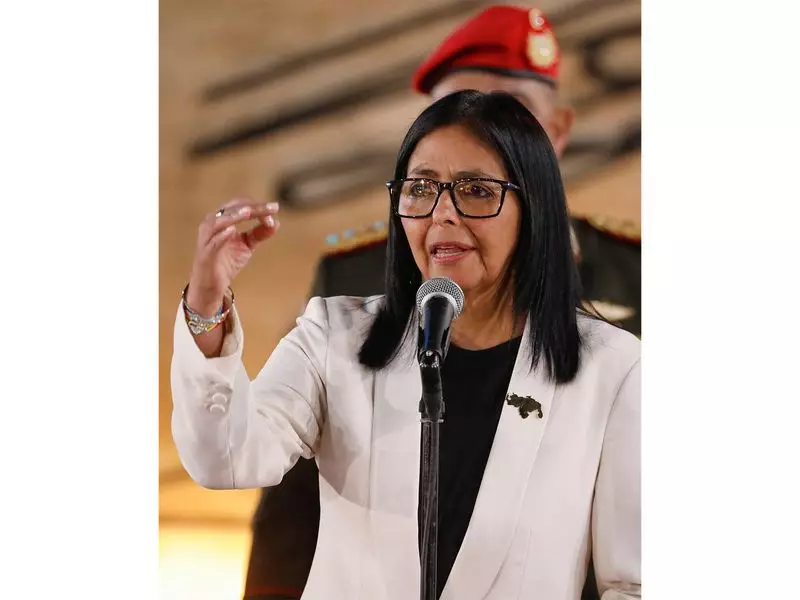
In a significant escalation of diplomatic tensions, Venezuela's Executive Vice President, Delcy Rodríguez, has publicly denounced a United States-backed covert operation and declared an immediate halt to all discussions regarding the potential reopening of embassies between the two nations. The announcement directly links the stalled diplomatic process to what Caracas describes as a violent plot against its government.
Venezuela's Stern Accusation and Diplomatic Freeze
The Venezuelan government, led by interim President Nicolás Maduro, has taken a firm stance following revelations of a foiled incursion attempt. Vice President Rodríguez stated unequivocally that exploratory talks concerning the reopening of the US and Venezuelan embassies have been "denounced" and suspended. This decision underscores the fragile nature of recent diplomatic engagements and ties any future progress directly to US actions.
Rodríguez placed the blame squarely on the United States, accusing it of sponsoring a "mercenary invasion" known as "Operation Gideon." This alleged plot, which Venezuelan authorities claim to have thwarted, was purportedly designed to infiltrate the country via the Caribbean coast with the objective of overthrowing the legitimate government in Caracas and capturing key leaders.

The Alleged 'Operation Gideon' Plot
According to the Venezuelan Vice President, the details of the operation are alarming. She asserted that the plan involved mercenaries landing at the Macuto naval base in the state of La Guaira, a coastal region north of Caracas. The ultimate goals of this incursion, as presented by the government, were the violent removal of President Maduro and the physical detention of high-ranking officials, including Rodríguez herself.
This accusation is not made in isolation. Rodríguez linked the plot directly to opposition figure Juan Guaidó, whom the United States and several other nations recognized as Venezuela's interim president in 2019. She claimed the operation was coordinated from Colombia and involved training camps in that country, implicating regional actors in the alleged conspiracy. The Venezuelan government maintains that this event is a clear example of ongoing foreign-backed aggression.
Broader Implications for Bilateral Relations
The fallout from this announcement is substantial. By explicitly connecting the embassy talks to "Operation Gideon," the Maduro administration has set a high bar for the resumption of any diplomatic normalization. The move signals that security concerns and perceived acts of aggression will override other diplomatic or economic considerations in the relationship with Washington.
This development represents a major setback for diplomatic channels that had shown tentative signs of activity. The breakdown also highlights the deep-seated mistrust between the two governments and the complex role played by the Venezuelan opposition, which remains a polarizing figure in international politics. The situation leaves the future of US-Venezuela relations in a state of heightened uncertainty, with dialogue now conditional on addressing Caracas' core allegations of external subversion.
The suspension of embassy talks marks a return to open hostility in rhetoric, potentially undoing months of careful, behind-the-scenes diplomacy. For now, the path to reopening diplomatic missions appears closed, locked shut by accusations of mercenary plots and regime change operations.