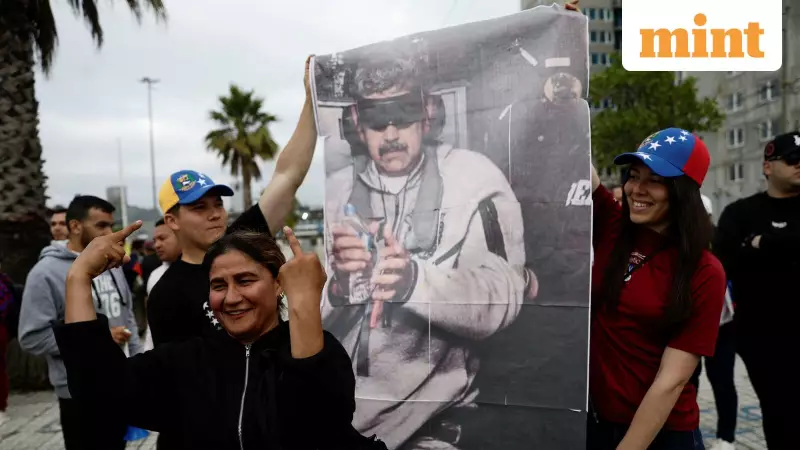
In a dramatic escalation of tensions, Venezuelan President Nicolas Maduro was taken into custody by United States forces in a surprise operation early Saturday morning. The incident unfolded in New York City, marking a significant and unprecedented move in the long-standing political conflict between the US and the South American nation.
The Capture and Immediate Aftermath
President Nicolas Maduro arrived in New York under circumstances that quickly turned into an arrest. A video shared by the White House's Rapid Response 47 account on the social media platform X showed the Venezuelan leader being escorted in custody through a hallway at the offices of the US Drug Enforcement Administration (DEA). The operation was confirmed by US President Donald Trump, who announced a “large-scale strike against Venezuela” on the same day.
This bold action has thrown Venezuela's political future into immediate uncertainty. The question of who will now rule the oil-rich nation is at the forefront of the crisis.

Succession and Defiance from Caracas
Back in Venezuela, Vice President Delcy Rodriguez was swiftly declared the apparent successor to Maduro. In a televised address on state television, Rodriguez delivered a defiant message. She asserted that Nicolas Maduro remains the country's only legitimate president and demanded his immediate release from US custody. This sets the stage for a potential power struggle, with two competing claims to leadership.
US Intentions and Economic Implications
Speaking from his Mar-a-Lago resort in Florida, President Trump outlined the US's next steps. As reported by Reuters, Trump stated, “We will run the country until such time as we can do a safe, proper and judicious transition.” He revealed that as part of the takeover, major American oil companies would be positioned to move into Venezuela.
This move targets the nation's vast oil reserves, the largest in the world. The plan involves refurbishing the country's severely degraded oil infrastructure, a monumental task that energy experts suggest could take many years to complete. This indicates a long-term strategic and economic interest by the US in stabilizing and controlling Venezuela's primary resource.
The situation remains highly fluid, with the international community watching closely. The capture of a sitting head of state on foreign soil is a rare event with profound legal and diplomatic repercussions. The coming days will be critical in determining Venezuela's path forward amidst this profound upheaval.