Michael Bloomberg has issued a stark warning about the White House's escalating pressure on the US Federal Reserve. He calls this a dangerous overreach that threatens the central bank's crucial independence. Bloomberg argues this move could backfire spectacularly, potentially undermining the administration's own economic goals.
The Unprecedented Pressure Campaign
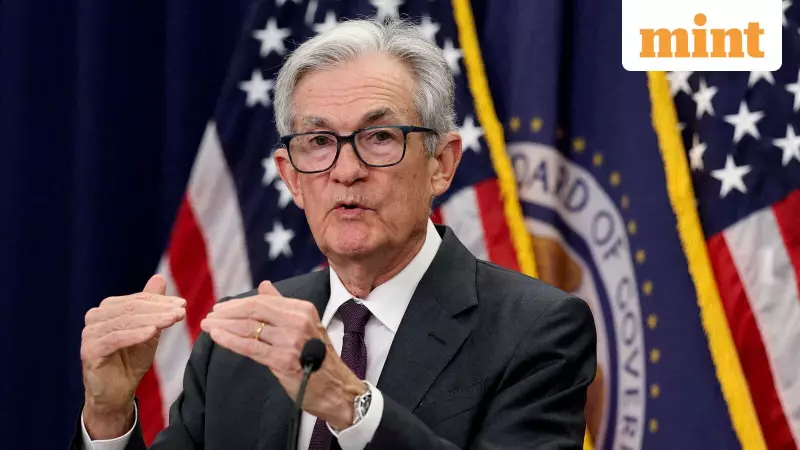
For months, the Trump administration has been pushing the Federal Reserve to adjust its monetary policy approach. This pressure has now reached unprecedented levels with the Justice Department serving subpoenas that threaten criminal prosecution against Fed Chair Jerome Powell.
Powell, who had maintained dignified silence through previous White House efforts to influence the central bank, finally responded publicly. In a video statement, he declared: "The threat of criminal charges is a consequence of the Federal Reserve setting interest rates based on our best assessment of what will serve the public, rather than following the preferences of the president."

The Investigation Behind the Pressure
The investigation focuses on Powell's testimony to Congress last year regarding the Fed's headquarters renovation project. Like many government construction projects, this one has exceeded initial cost estimates and timelines.
Financial analysts immediately recognized the probe as a political tool. They saw it as an attempt to pressure the Fed into cutting interest rates more rapidly or to force Powell's early departure. This would allow the White House to appoint a more compliant successor ahead of schedule.
Why Central Bank Independence Matters
The case for Federal Reserve independence shouldn't need repeating, yet recent events make it necessary to restate fundamental principles. Central banks worldwide maintain independence for good reason - it allows them to make difficult monetary decisions without political interference.
When politicians pressure central banks to prioritize short-term political goals over long-term economic stability, everyone loses. The White House's understandable preoccupation with "affordability" and household costs becomes harder to achieve when they undermine the very institution that controls monetary policy.
The Dangerous Consequences
Bloomberg outlines several concerning outcomes if this pressure campaign continues:
- Financial markets could react negatively, causing instability
- The Fed's ability to manage inflation and employment could be compromised
- Public confidence in economic institutions might collapse
- The administration's own goal of cheaper credit could become harder to achieve
This situation creates a formula for potential financial panic and economic disaster. When political interference disrupts monetary policy decisions, the central bank struggles to deliver what politicians claim to want - stable, affordable financing conditions.
A Path Forward
Bloomberg suggests the administration should change course immediately. The president could blame overzealous officials for the current escalation, declare a ceasefire in this pressure campaign, and publicly affirm that monetary policy won't be run from the White House.
The administration should then commit to allowing Powell and his colleagues to perform their jobs without political interference. Continuing this intimidation campaign represents a decision that everyone involved will likely regret when economic consequences emerge.
Instead of folding under pressure, Powell is rightly standing firm. His resistance protects not just the Federal Reserve's independence but the broader economic stability that benefits all Americans. The stakes have never been higher for maintaining the separation between political agendas and monetary policy decisions.