The White House has scheduled a key presentation for January 2025, where it will reveal detailed plans for a proposed new ballroom in the East Wing. This initiative, a personal priority of former First Lady Melania Trump, is moving forward under the current administration's oversight, setting the stage for a fresh round of discussions about presidential legacy projects and their funding.
Details of the Proposed East Wing Ballroom
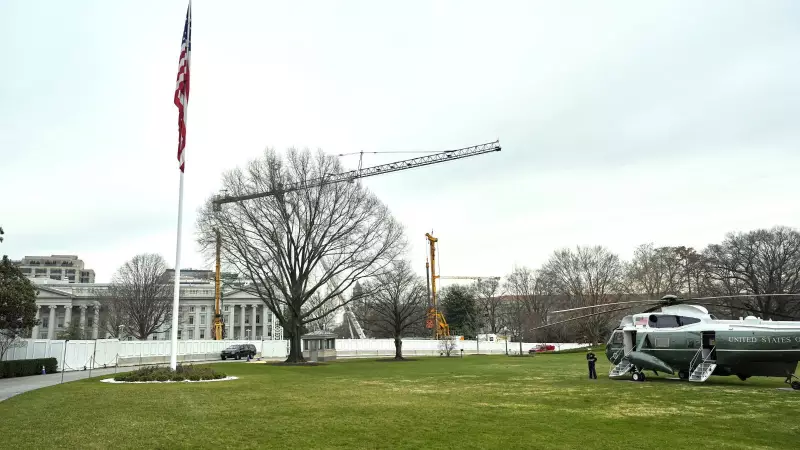
According to official communications, the presentation is slated for January 2025. The goal is to lay out comprehensive designs and logistical frameworks for constructing a ballroom within the White House's East Wing. This project was originally championed by Melania Trump during her tenure, aiming to create a dedicated, modern space for official receptions and state events.
The planning process involves several key entities. The White House Historical Association and the Committee for the Preservation of the White House are centrally involved. Furthermore, the National Park Service will play a crucial role, as it holds jurisdiction over the White House grounds and any structural modifications. Their collective input will shape the final proposal that goes before the necessary approving bodies.

Funding and Historical Context
A significant point of contention and public interest is the project's financing. Historically, major renovations and additions to the President's official residence are not funded by direct congressional appropriations. Instead, they rely on private donations, often coordinated through the White House Historical Association. This model is expected to be followed for the ballroom project, aiming to avoid the use of taxpayer money for construction costs.
This approach mirrors how past significant White House projects were bankrolled. However, it inevitably raises questions about donor influence and the long-term maintenance costs that may eventually fall on public funds. The presentation in January will need to address these financial aspects transparently to gain broader acceptance.
Implications and the Path Forward
The move to advance this plan has ignited a debate that extends beyond architecture. Proponents view it as a necessary update to the nation's most iconic residence, providing a functional space for diplomatic hospitality. Critics, however, see it as a potentially costly endeavor that memorializes a controversial presidency, especially as it revives a project closely associated with Melania Trump.
The upcoming presentation is just the first step in a lengthy process. After the plans are unveiled, they will undergo rigorous review. Final approval authority rests with the President of the United States. Therefore, the project's fate could be influenced by the outcome of the upcoming November election and the priorities of the next administration.
This development ensures that discussions about the Trump administration's legacy and the stewardship of the White House will remain in the public eye as the nation moves deeper into the election cycle. The January reveal will provide concrete details that will fuel further analysis and debate over the necessity, cost, and symbolism of altering the historic fabric of the Executive Mansion.