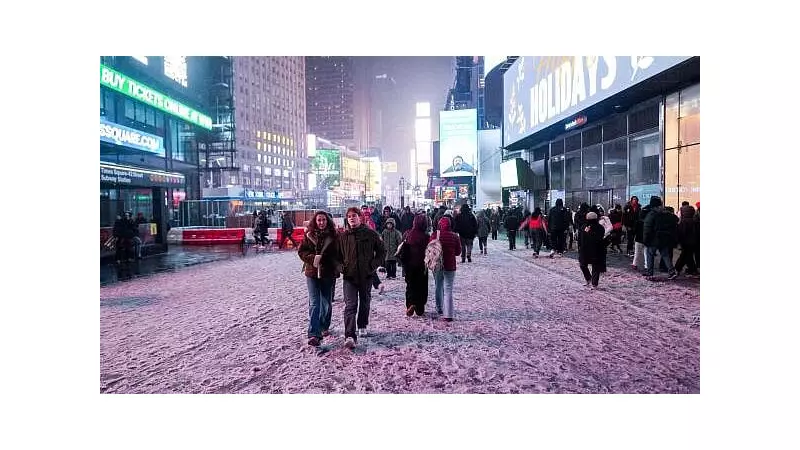
A fierce winter storm swept through the New York City metropolitan area, transforming the bustling urban landscape into a quiet, snow-covered scene. The powerful weather system, which moved in on a Tuesday, dumped significant amounts of snow, leading to widespread disruptions in travel, the closure of schools, and prompting officials to urge residents to stay off the roads.
Snowfall Totals and Immediate Impacts
The storm delivered a substantial punch, with snowfall totals varying across the region. Reports indicated that parts of northern New Jersey and the Hudson Valley saw some of the highest accumulations. The heavy, wet nature of the snow made travel particularly hazardous. Major airports serving the city, including John F. Kennedy International Airport and LaGuardia Airport, experienced hundreds of flight cancellations and delays, stranding passengers and creating logistical headaches.
Public transportation was not spared from the storm's effects. The Metropolitan Transportation Authority (MTA), which oversees New York City's vast subway and bus network, announced that above-ground subway services were suspended due to the dangerous conditions. This decision underscored the severity of the weather and its potential to cripple the city's normally resilient transit system.

Official Warnings and Public Response
In response to the escalating situation, New York City Mayor Eric Adams issued clear warnings to the public. He strongly advised residents to avoid unnecessary travel and to use public transportation only if absolutely essential. The city's sanitation department deployed thousands of workers and hundreds of snowplows in a round-the-clock effort to clear the accumulating snow from streets and highways.
The National Weather Service had issued a winter storm warning for the area, a clear signal of the expected hazardous conditions. This official alert helped prepare municipal agencies and the public for the significant weather event. Across the Hudson River, New Jersey Governor Phil Murphy declared a state of emergency, a move that activated additional state resources and emphasized the regional scale of the disruption.
Broader Regional Effects and Outlook
The winter blast's impact extended far beyond the five boroughs of New York City. Large swathes of the Northeast, including states like Connecticut and Pennsylvania, were also grappling with heavy snow and strong winds. The storm system created a cascade of cancellations, affecting not just flights but also countless events, appointments, and business operations.
Meteorologists tracked the storm as it continued its path northward, expecting it to affect New England after moving through the New York area. Forecasters warned that while the intense snowfall was expected to taper off, frigid temperatures would follow in its wake. This combination posed ongoing risks, such as icy conditions from melted snow refreezing on roads and walkways.
The event served as a stark reminder of winter's power to disrupt even the world's most major metropolitan areas. From grounded planes and silent schoolyards to the constant rumble of snowplows, the city adapted to the temporary but profound change brought by the winter storm, with residents and authorities alike looking ahead to the clearing skies and the arduous cleanup process.