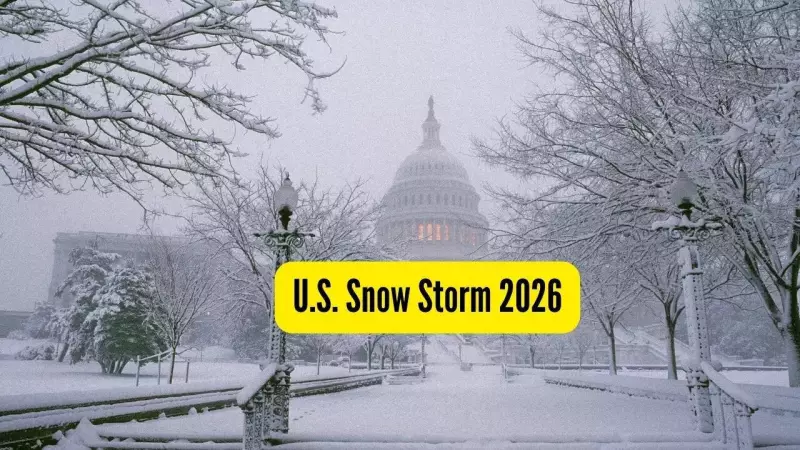
Winter Storm Fern 2026: Historic Snowstorm Paralyzes United States with Travel Chaos
In a significant meteorological development, the United States is bracing for what authorities are terming as one of the most severe winter storms in recent history. Officially named Winter Storm Fern, this powerful weather system is set to impact the nation extensively between January 23 and January 26, 2026, bringing unprecedented challenges to millions of residents and travelers alike.
Storm Characteristics and Predicted Impact
According to detailed weather reports from the National Weather Service (NWS) and various government agencies, Winter Storm Fern is expected to deliver a dangerous combination of weather elements across much of the country. The storm system will feature:
- Heavy snowfall across major populated centers, with some regions potentially receiving over a foot of accumulation
- Freezing rain and sleet capable of coating roads, bridges, and critical infrastructure with hazardous ice
- Arctic temperatures creating dangerously cold conditions that could persist through the weekend and into early next week
- Widespread ice accumulation that may lead to significant power outages and infrastructure damage
The NWS has indicated that the storm's impacts will extend from the Southern Plains all the way up to the Northeast region, affecting an estimated over 230 million people across the nation. Official warnings and alerts have been issued extensively as authorities prepare for what could become a historic weather event.

Massive Travel Disruption and Flight Cancellations
The approaching storm has already triggered substantial travel chaos across the United States. According to official flight tracking data and airline reports, more than 10,000 flights have been cancelled nationwide over the weekend, with disruptions expected to continue as the storm progresses.
Major aviation hubs in key cities are experiencing significant operational challenges, including:
- Dallas-Fort Worth International Airport
- Hartsfield-Jackson Atlanta International Airport
- New York metropolitan area airports
- Chicago O'Hare International Airport
- Boston Logan International Airport
Leading carriers such as American Airlines, Delta Air Lines, United Airlines, Southwest Airlines, and JetBlue Airways have reported widespread delays and cancellations. Delta Air Lines specifically addressed the situation on social media platform X, stating: "With Winter Storm Fern approaching, our teams are monitoring conditions and adjusting flight schedules where necessary. We encourage customers in affected areas to move their flights at no charge to before or after the storm."
The disruption extends beyond domestic carriers, with international airlines including Air India and Emirates also cancelling flights to affected U.S. cities. The U.S. Federal Aviation Administration (FAA) is actively monitoring the storm's progression and coordinating with airlines to manage the evolving situation.
Emergency Declarations Across Multiple States
In response to the impending severe weather conditions, 19 state governments have declared states of emergency as per official live reporting. The affected states include:
- Alabama, Arkansas, Delaware, Georgia
- Kansas, Kentucky, Louisiana, Maryland
- Mississippi, Missouri, New Jersey, New York
- North Carolina, Pennsylvania, South Carolina
- Tennessee, Texas, Virginia, and Washington, D.C.
These emergency declarations enable state authorities to mobilize resources, implement emergency protocols, and coordinate response efforts more effectively as Winter Storm Fern makes its way across the country.
Essential Travel Advice and Safety Recommendations
Given the current storm situation, official guidance from airlines, the FAA, and travel authorities includes several critical recommendations for travelers:

- Regularly monitor flight status through official airline channels
- Use only airline websites or official mobile applications for updates and changes
- Take advantage of fee waivers and flexible change policies offered by many carriers for tickets affected by the storm
- Avoid non-essential travel as strongly recommended by NWS advisories
The January 2026 winter storm is shaping up to be a historic weather event with far-reaching consequences. From mass flight cancellations to critical snowfall accumulations, anyone planning to travel within or through the United States during this period must prioritize safety and stay informed through official sources.