Zambian Student's Humorous Journey Through Indian Culture
When she departed Zambia to pursue engineering studies in India, she packed textbooks, winter attire, and a quiet confidence for a fresh start. What she couldn't pack, as no one truly can, was a guide to deciphering head wobbles, enduring auto rickshaw adventures, or grasping why tea is treated as essential as air.
Instagram Chronicles of Daily Life
Through her Instagram handle, @mercy_jo123, this Zambian scholar has been posting lighthearted snapshots of her everyday experiences in India. Her content avoids dramatic culture-shock tales, instead offering amused, curious, and observant voice notes that feel like chats from a friend.
Fashion Contrasts and Cinematic Realities
One of her initial observations centered on fashion. Strolling through her university city, she noted young women in crop tops and trendy outfits aligning with global styles. Yet, Indian films sometimes presented a stark contrast, with characters shifting between bold modernity and conservative modesty based on plotlines. This juxtaposition sparked genuine confusion about how cinema and reality could seem like parallel worlds.

The Auto Rickshaw Initiation
For newcomers to India, auto rickshaws serve less as transportation and more as an initiation rite. Her first rides felt chaotic, with traffic surging from all sides, motorbikes squeezing into tight spaces, and horns providing a constant backdrop. She humorously described it as a disorienting pinball machine experience where direction becomes elusive.
Navigating Attention and Curiosity
As an African student, she encountered lingering glances in public spaces, often driven by curiosity rather than hostility. In areas unaccustomed to Zambian visitors, these moments frequently led to conversations, revealing that unfamiliarity can foster inclusion rather than exclusion.
The Ubiquity of Tea Culture
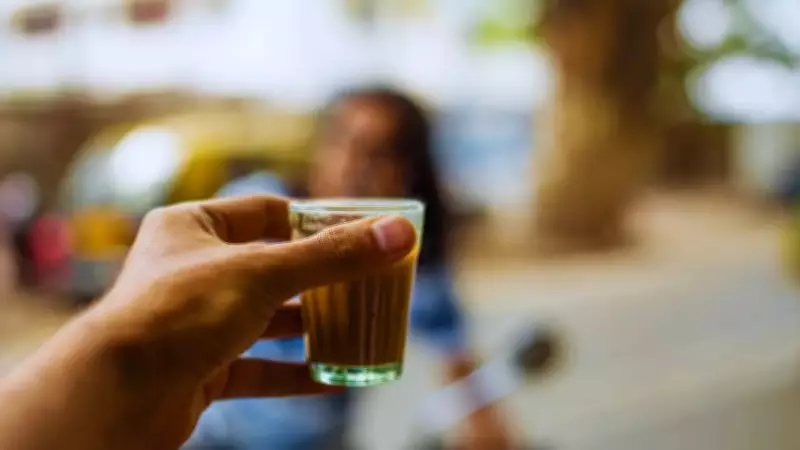
If traffic was an adrenaline rush, tea offered a grounding constant. Back in Zambia, tea was a casual choice, but in India, it felt like a social ritual—morning chai before classes, afternoon breaks, and evening sessions with peers. Refusing it sometimes seemed like declining connection, highlighting its deep-rooted role in daily interactions.
Decoding the Indian Head Wobble
Perhaps the most linguistically puzzling aspect was the famous Indian head wobble, a subtle movement conveying yes, no, maybe, or simply listening. Initially requiring mental replay, she learned to interpret it through context, tone, and facial expressions, turning confusion into intuitive understanding as a sign of adaptation.
The Art of Bargaining
Bargaining in Indian markets presented a new experience, where prices are flexible starting points. Watching negotiations unfold felt like theatrical performances, with shopkeepers and buyers engaging in a playful game rather than aggression, emphasizing engagement over difficulty.
Midnight Street Food Adventures
Late-night food stalls, bustling with students and night owls, introduced her to a world of spicy snacks. Initially hesitant about spice levels and hygiene, curiosity often prevailed, adding diverse dishes to her growing archive of abroad experiences.
Reflections on Humour and Humility
Her posts balance humour with humility, avoiding mockery or superiority in favour of observational learning. Studying abroad involves not just academic lectures but also cultural lessons from auto rides, tea breaks, and market exchanges. Online responses, like hopes she'll carry a piece of India with her, underscore the positive engagement.
Cultural Exchange and Identity
Living in India hasn't erased her Zambian identity but has enriched it with new layers. Through shared laughs and small confusions, adaptation unfolds quietly, reminding us that cultural exchange isn't always grand—it can be as simple as laughter in traffic or the realization that tea is never optional in some parts of the world.