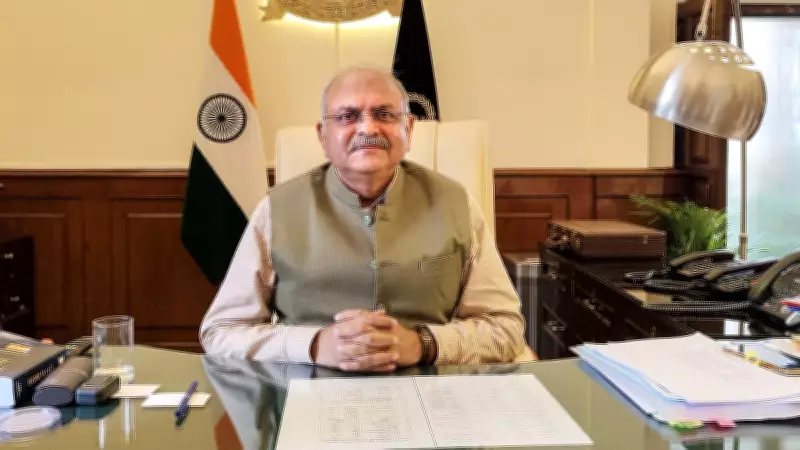
CBDT Chairman Ravi Agrawal Discusses Procedural Changes in Tax Laws to Reduce Litigation Burden
In an exclusive interview with DH's Gyanendra Keshri, Central Board of Direct Taxes (CBDT) Chairman Ravi Agrawal has shed light on significant procedural changes proposed in India's income tax laws. These reforms are specifically designed to address the persistent issue of tax litigation and streamline the overall tax administration process for both taxpayers and authorities.
Focus on Reducing Legal Disputes and Enhancing Efficiency
Ravi Agrawal emphasized that the core objective behind these proposed amendments is to substantially reduce the volume of litigation in the direct tax domain. He highlighted that many disputes arise not from substantive tax matters but from procedural complexities and ambiguities within the existing legal framework. By refining these procedures, the CBDT aims to create a more transparent and predictable tax environment.
The chairman outlined that the changes would focus on several key areas:

- Clarifying assessment and appeal procedures to minimize interpretational conflicts.
- Introducing mechanisms for faster resolution of routine disputes.
- Enhancing the use of technology to ensure procedural compliance is more straightforward.
- Simplifying documentation requirements to reduce administrative burdens on taxpayers.
Impact on Taxpayers and the Broader Economic Landscape
Agrawal noted that reducing litigation is not merely an administrative goal but a crucial step towards improving ease of doing business in India. When taxpayers spend less time and resources on legal battles, they can focus more on productive economic activities. This, in turn, fosters a more conducive environment for investment and growth.
He further explained that the proposed procedural changes are expected to benefit a wide spectrum of stakeholders, including individual taxpayers, small businesses, and large corporations. By making the tax system more efficient and less contentious, the government hopes to boost compliance rates and enhance revenue collection without increasing the tax burden.
The CBDT chairman also addressed the timing of these reforms, mentioning that they are part of a broader strategy to modernize India's tax infrastructure. These changes are anticipated to be discussed and potentially implemented in the context of upcoming fiscal policies, aligning with the government's vision for a simplified and litigation-free tax regime.
Looking Ahead: A Shift Towards Proactive Tax Administration
In his conversation with DH, Ravi Agrawal underscored that the move towards procedural refinements represents a shift from reactive to proactive tax administration. Instead of dealing with disputes after they arise, the focus is now on preventing them through clearer laws and better communication channels between the tax department and taxpayers.
He concluded by expressing optimism that these changes, once enacted, will significantly reduce the backlog of tax cases in various courts and tribunals across the country. This would not only save judicial time but also restore taxpayer confidence in the system, paving the way for a more harmonious and efficient direct tax ecosystem in India.