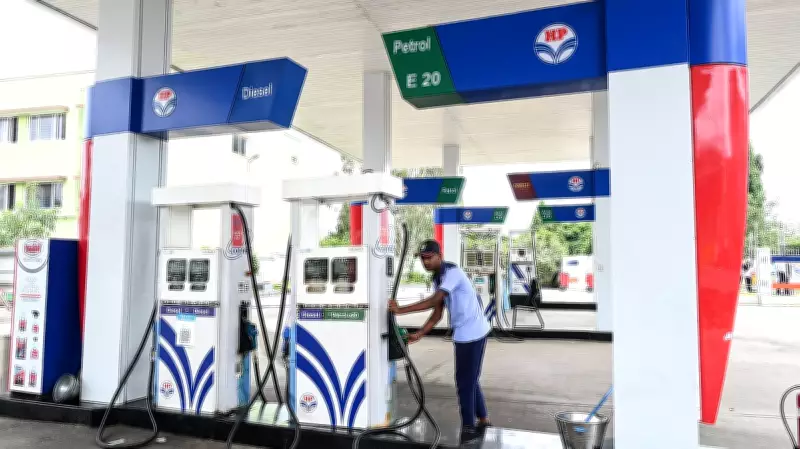
The Indian government has acknowledged that E20 fuel, which contains 20% ethanol blended with petrol, can reduce fuel economy by 3 to 5 percent in some vehicles. This admission comes amid a growing row over the country's ethanol blending programme.
Government Confirms Mileage Impact
In a statement issued on July 10, 2026, the Ministry of Petroleum and Natural Gas confirmed that certain vehicles may experience a drop in fuel efficiency when using E20 compared to regular petrol. The ministry noted that the impact varies depending on engine design and driving conditions.
E20 is a blend of 20% ethanol (biofuel) and 80% petrol (fossil fuel), while E10 contains a 10:90 ratio. India aims to achieve 20% ethanol blending by 2030 under its National Policy on Biofuels.

Row Over Blending Targets
The admission has intensified debate among automakers, consumer groups, and policymakers. Some car manufacturers have expressed concerns that E20 could void warranties or require engine modifications. According to a senior official from the Society of Indian Automobile Manufacturers (SIAM), "The 3-5% reduction in fuel economy is significant for consumers, especially with rising fuel prices."
The government, however, maintains that the overall benefits of reduced emissions and lower oil import bills outweigh the efficiency loss. The ministry added that newer vehicles designed for E20 will have minimal impact.
Technical Details and Consumer Advice
The fuel economy drop is attributed to the lower energy content of ethanol compared to petrol. Ethanol contains about 33% less energy per litre, which means vehicles need to burn more fuel to produce the same power. However, modern engines can be optimised to reduce this penalty.
Consumers are advised to check their vehicle's compatibility before using E20. The government has mandated that all new vehicles sold from 2025 onwards must be E20-compatible.