

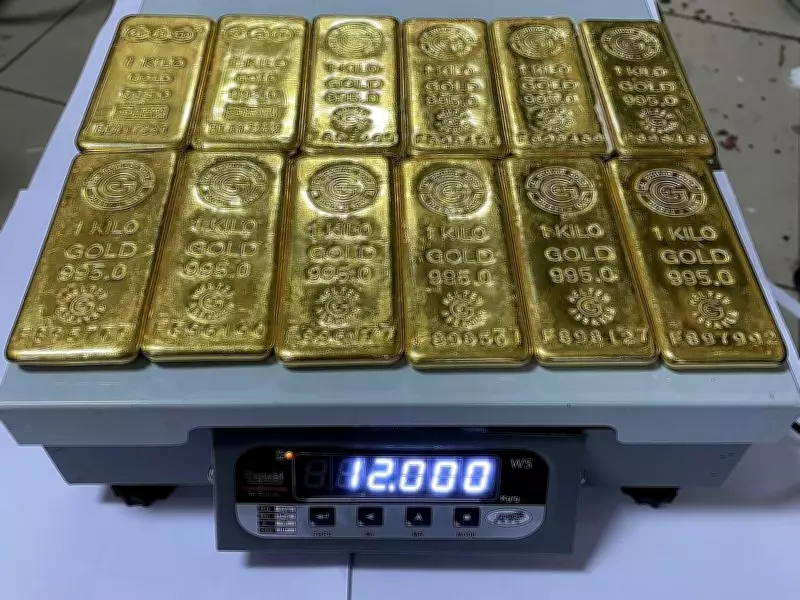
Gold Prices Record Worst Monthly Drop Since 2013
In a significant market development, gold prices experienced a sharp decline in March 2024, falling by 12%. This marks the worst monthly drop for the precious metal since 2013, as reported by the World Gold Council. The dramatic fall highlights a notable shift in investor behavior and market dynamics during the period.
Key Factors Behind the Decline
The 12% plunge in gold prices during March can be attributed to several interconnected factors. Rising interest rates in major economies, particularly the United States, have made alternative investments like bonds more attractive, reducing demand for non-yielding assets such as gold. Additionally, strengthening global equity markets have drawn capital away from safe-haven assets, as investors seek higher returns in riskier ventures.
Global economic uncertainties, including inflationary pressures and geopolitical tensions, initially supported gold earlier in the year, but a sudden reversal in sentiment led to profit-taking and selling pressure. The World Gold Council noted that this combination of factors created a perfect storm for gold's performance, resulting in the steepest monthly loss in over a decade.

Impact on Investors and Markets
The sharp drop in gold prices has had widespread implications for investors and financial markets. Portfolio rebalancing became a common strategy as individuals and institutions adjusted their holdings to mitigate losses. This sell-off contributed to increased volatility in commodity markets, affecting related sectors such as mining and jewelry.
- Investors shifted funds to equities and bonds.
- Gold-backed exchange-traded funds (ETFs) saw significant outflows.
- Market analysts revised forecasts for gold's short-term performance.
Despite the decline, some experts view this as a potential buying opportunity, suggesting that gold's long-term value as a hedge against inflation and economic instability remains intact. However, the immediate outlook remains cautious, with the World Gold Council monitoring trends closely for further updates.
Historical Context and Future Outlook
Comparing this drop to historical data, the last time gold saw such a severe monthly decline was in 2013, when prices fell amid similar economic conditions. Past trends indicate that gold often experiences periods of volatility followed by recovery, depending on global economic health and monetary policies.
- In 2013, gold prices dropped due to expectations of reduced stimulus measures.
- Current declines are linked to interest rate hikes and market optimism.
- Future movements will depend on inflation data and central bank actions.
Looking ahead, the World Gold Council emphasizes that while March's performance was disappointing for gold holders, the metal's role in diversified portfolios should not be underestimated. Factors such as ongoing geopolitical risks and potential economic slowdowns could reignite demand, potentially stabilizing or boosting prices in the coming months.






